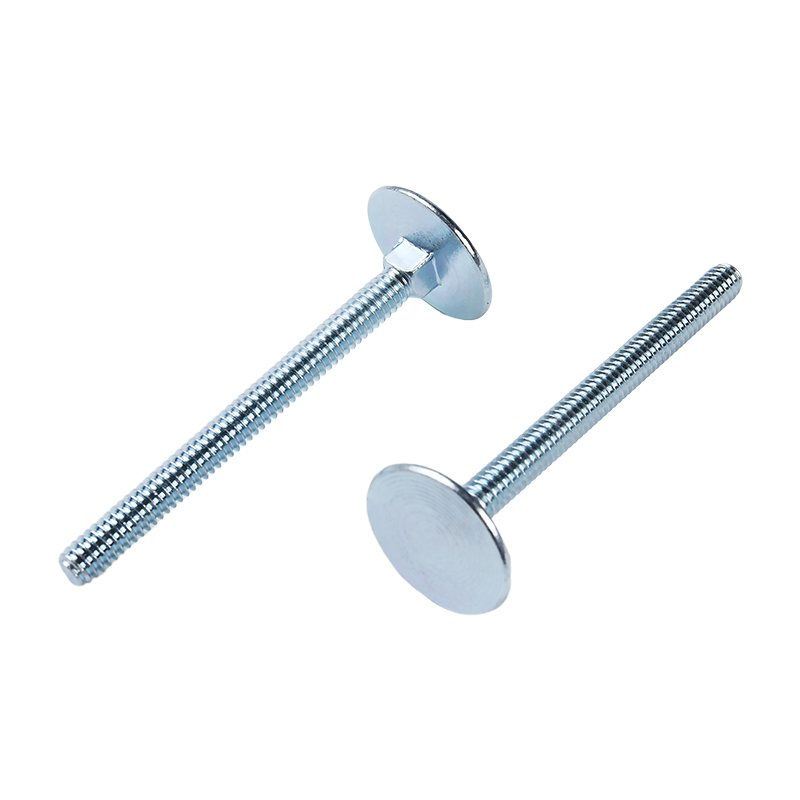
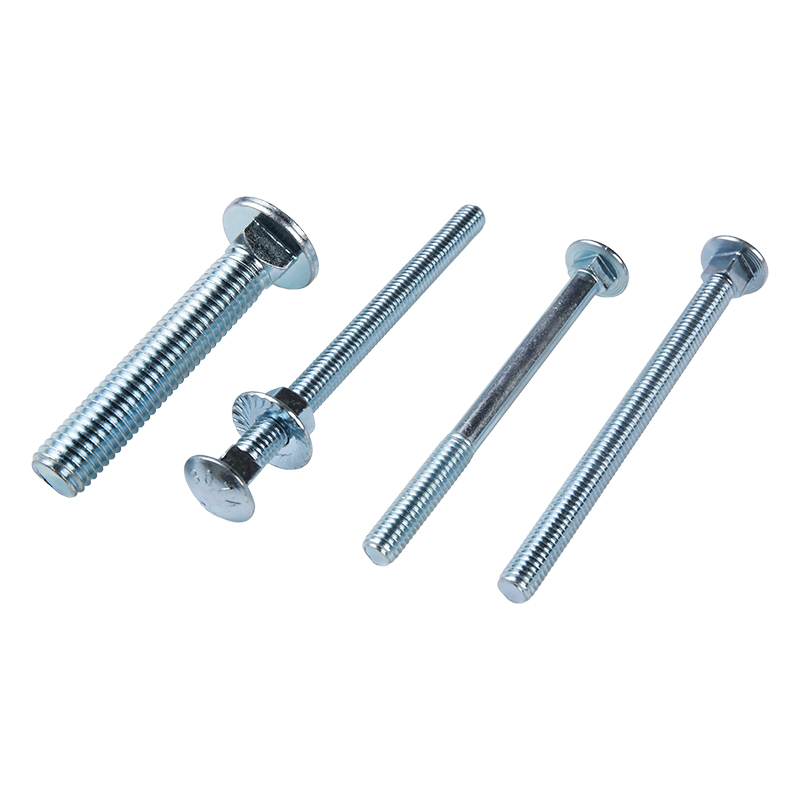
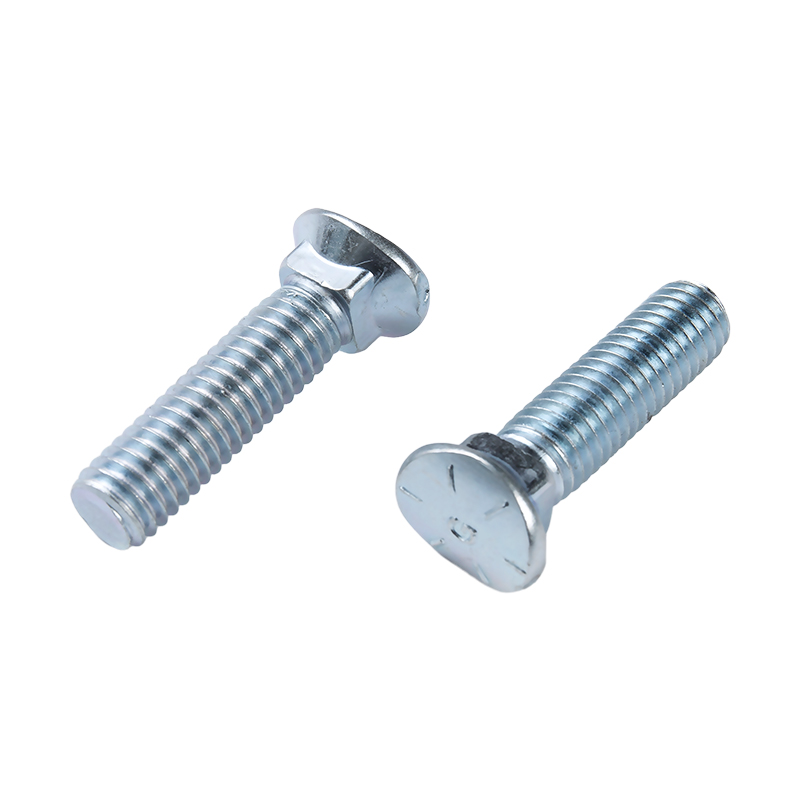
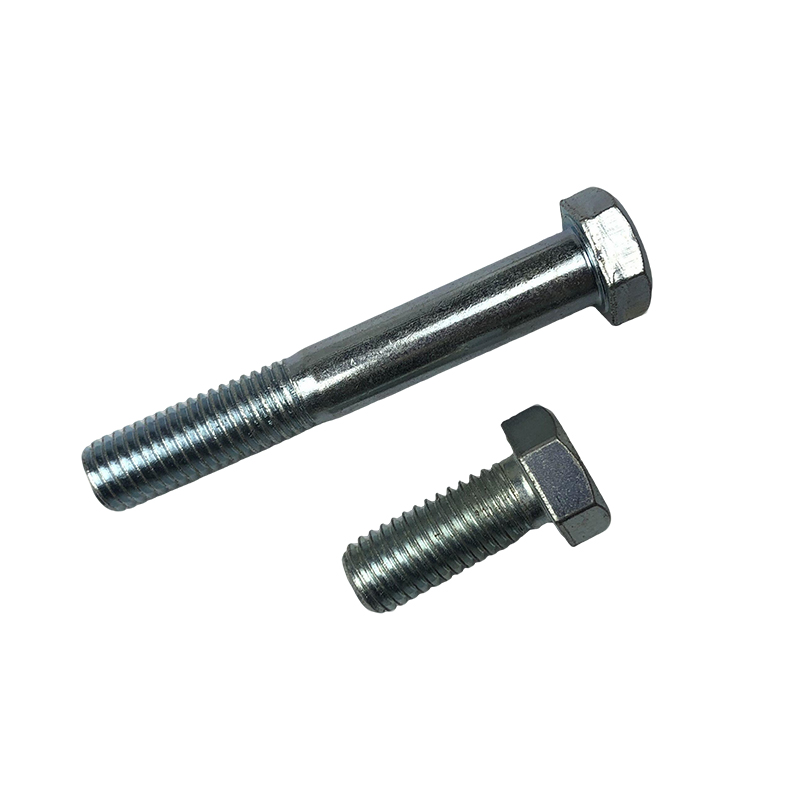
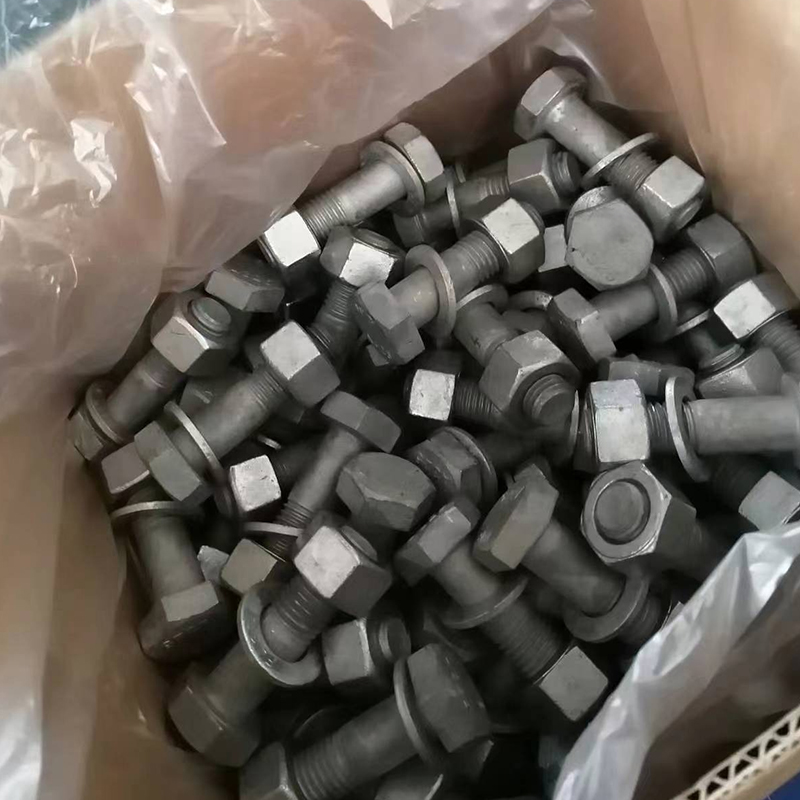
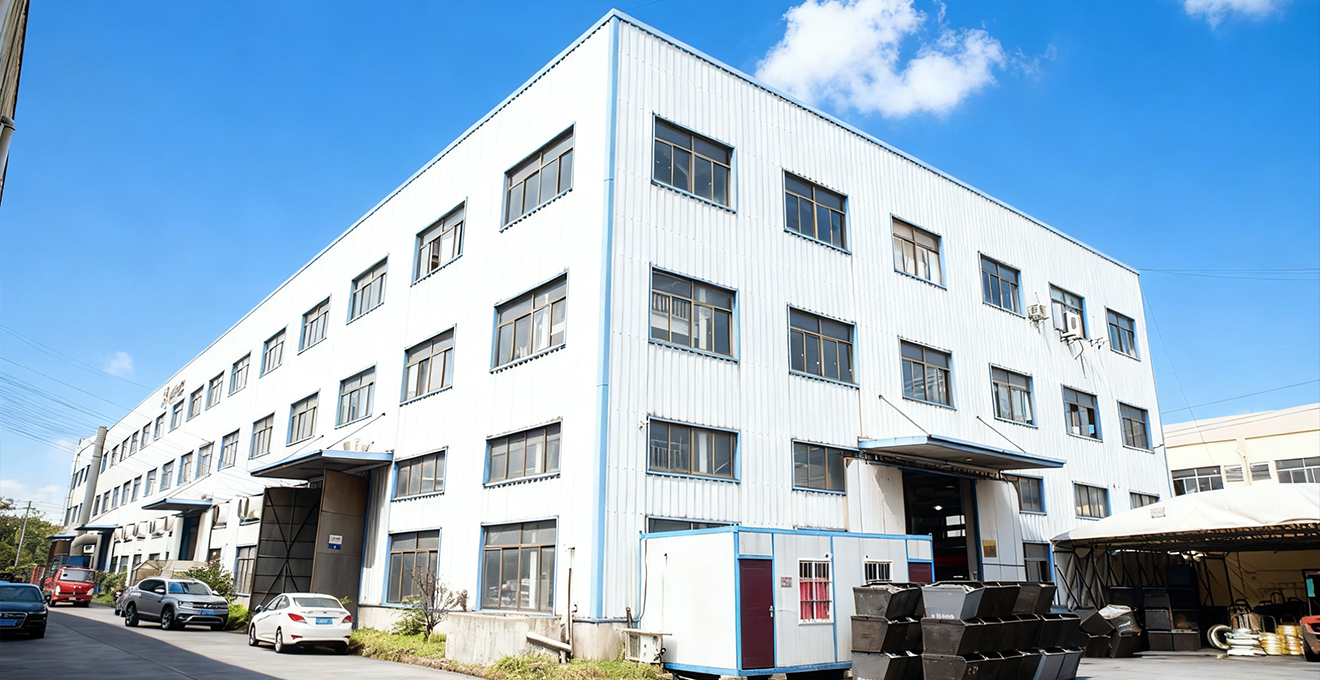
Jiaxing Sini Fastener Co., Ltd. has manufactured and exported bolts and screws since 2004, and the elevator bolt is one of the round-head products we build at our Haiyan (Zhejiang) and Lianyungang (Jiangsu) production facilities. It is a zinc-plated carbon steel fastener with a round head, a square neck and a fully threaded shank, supplied in 1/4"–3/4" (M6–M20) diameters and 1"–6" (25–150 mm) lengths for elevators, lifting platforms, conveyor systems and metal structures.
Our specialization covers both standard and custom-engineered bolts and screws, so this product is offered as a catalogue item and as a drawing-controlled part. As an Elevator bolt manufacturer working to DIN and IFI practice, we hold the head geometry, neck square and thread form as the three dimensions that decide whether the bolt seats and locks correctly in your assembly.
Elevator Bolt Specification Range
The table below reflects the standard configuration we produce. Where a project calls for a different head radius, neck square, thread length or coating, we build to the drawing rather than forcing a catalogue item into the application.
| Parameter |
Standard elevator bolt |
| Head and neck |
Round head with square neck; head geometry referenced to ASME B18.5 and DIN 15237 |
| Standard |
ASME B18.9 |
| Material |
Carbon steel |
| Grades |
ASTM A307, SAE J429 GR2 / GR5 / GR8, property class 4.8 / 8.8 |
| Thread size |
1/4"–3/4" (M6–M20) |
| Length |
1"–6" (25 mm–150 mm) |
| Thread |
Full-threaded shank |
| Coating |
Zinc plated |
How the Round Head and Square Neck Behave in Service
The square neck is the functional core of the design. It is drawn into a square or slotted hole in the member being fastened, so the Carbon Steel Zinc Plated Elevator Bolts cannot turn while the nut is run down, and it cannot rotate later under vibration or cyclic load. That single feature is why the fastener is chosen for elevator car frames, lifting platforms and conveyor structures, where access to the head side is limited once the assembly is closed.
Because the head is round and low-profile, it sits close to the surface and leaves a clean face on the exposed side of the joint. The full-threaded shank maintains clamping force across a range of material thicknesses, which suits assemblies where the stack-up varies between units or where a nut has to be positioned at more than one depth.
Installation sequence we design the bolt around
- A square or slotted hole is punched or drilled in the member; the neck square must match the hole so the bolt keys into place.
- The bolt is inserted from the working side and seated until the head contacts the surface.
- A washer and nut are fitted on the reverse side and tightened to the specified torque for the grade in use.
- Where the joint is exposed to weather or wash-down, we discuss coating thickness and washer selection at the quotation stage.
Materials, Grades and Coatings
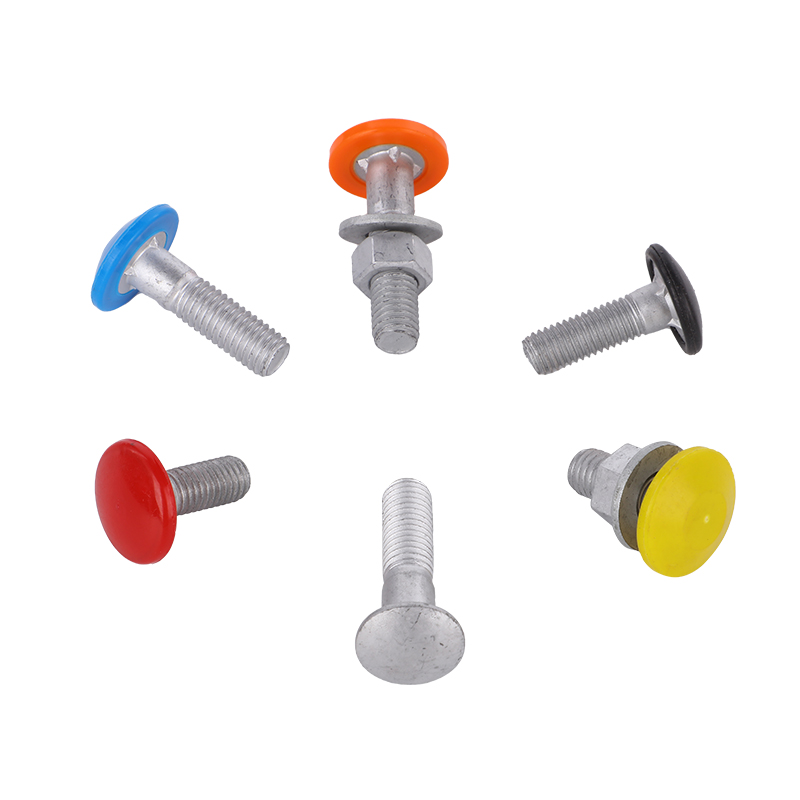
Elevator bolts are produced in carbon steel with zinc plating as the standard finish. Across our wider Carbon Steel Elevator Bolts range we also work in stainless steel and supply galvanized, hot-dip galvanized and black oxide finishes, so a project that needs a different corrosion strategy can usually be matched inside the same supply chain.
| Grade / class |
Series |
Typical fit |
| ASTM A307 |
Inch |
General-purpose connections and low-carbon assemblies |
| SAE J429 GR2 |
Inch |
General fastening where strength is not the governing factor |
| SAE J429 GR5 |
Inch |
Medium-strength structural and equipment joints |
| SAE J429 GR8 |
Inch |
Higher-strength joints with controlled tightening |
| Class 4.8 |
Metric |
General-purpose metric assemblies |
| Class 8.8 |
Metric |
Higher-strength metric joints |
Configuration Options and Custom Manufacturing
Beyond the standard size band, we develop and produce elevator bolts from customer drawings or physical samples. The variables we normally control on a custom run are the ones that determine fit and holding power:
- Head diameter, head height and under-head radius
- Square neck dimensions and neck depth relative to the plate thickness
- Thread diameter, pitch and thread length, in inch or metric series
- Grade and heat-treatment condition, with hardness verified against the specified class
- Coating type and thickness, including zinc plating and hot-dip galvanized options
- Head marking, carton marking and pallet configuration agreed at order stage
Where Our Elevator Bolts Are Used
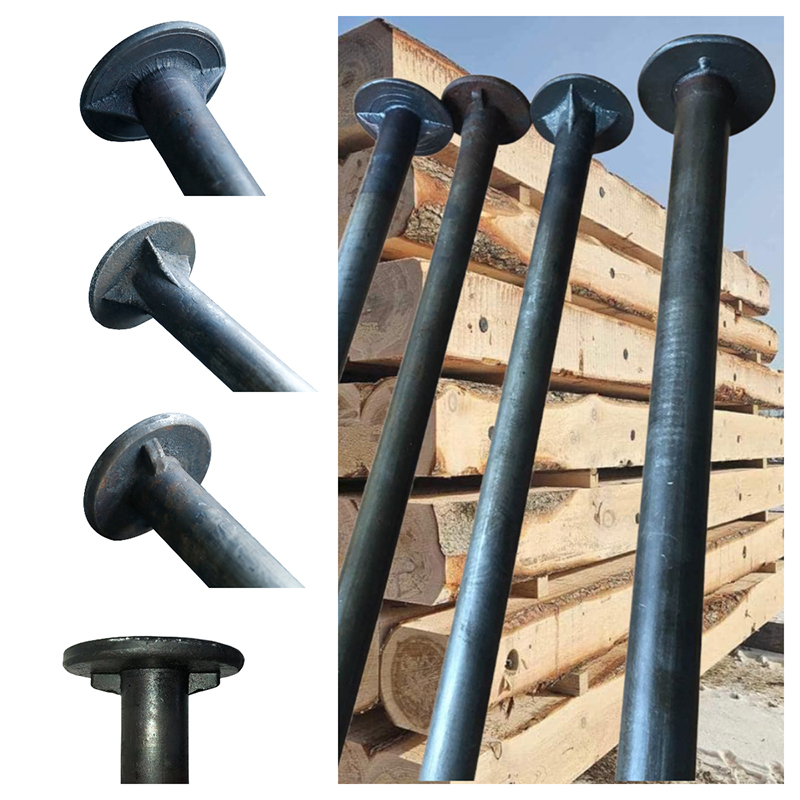
The primary applications are elevators, lifting platforms, conveyor systems and other metal structures, where a flat exposed face and an anti-rotation neck are both required. The same geometry is used in material-handling frames, agricultural equipment and general industrial assemblies that combine sheet, plate and timber components.
Our customer base spans construction hardware, machinery, machine tools, electrical appliances and furniture, and we serve buyers across North America, South America and Europe. Where a joint is subject to vibration, we look at the neck-to-hole fit and the tightening method together, because a loose neck fit will allow movement even when the grade is correct.
Quality Control and Acceptance Testing
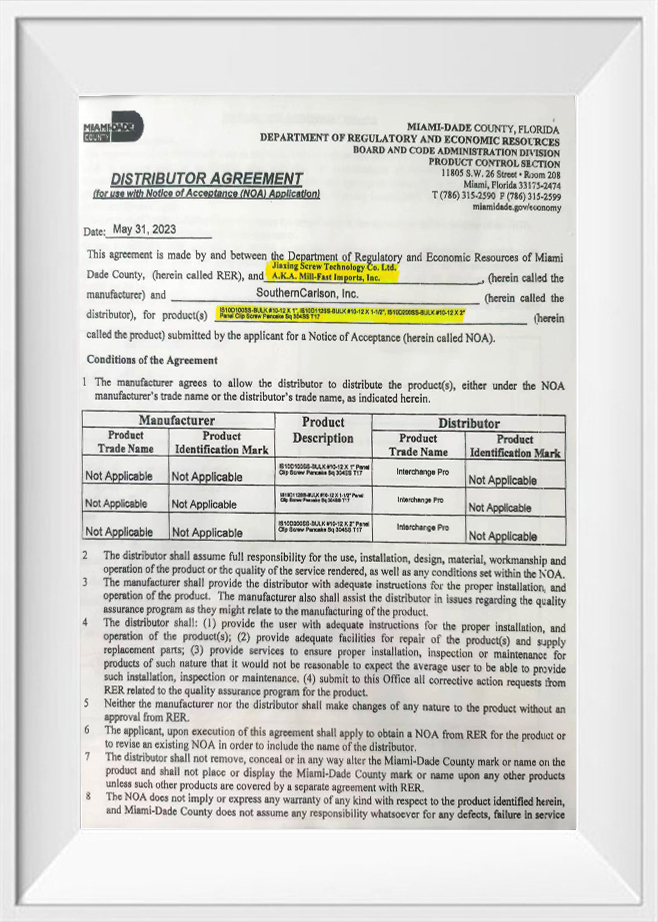
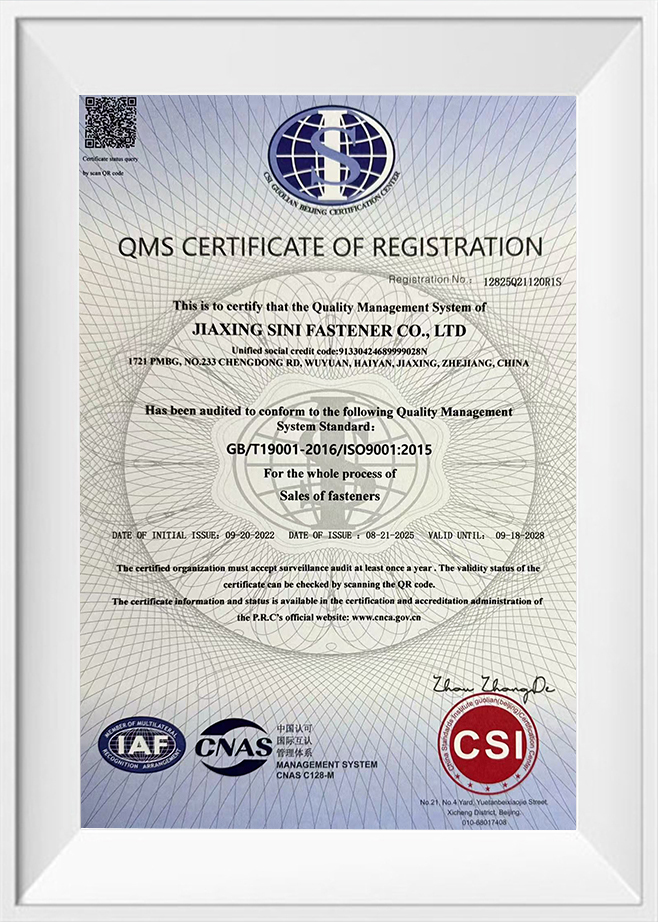
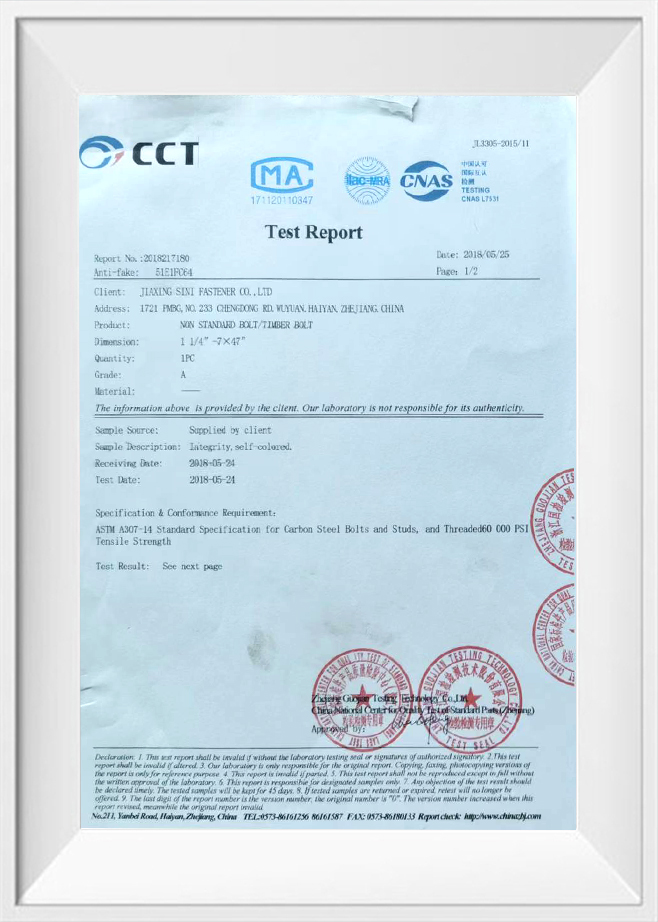
SINI FASTENER is ISO 9001 certified. We inspect after each production process, and finished goods receive a comprehensive inspection against customer requirements and international standards before release. Inspection items and records for a given order are agreed at the contract stage so that the acceptance criteria are the same on both sides.
- Optical emission spectrometer for chemical composition verification
- Universal testing machine and tensile testing machine for mechanical properties
- Hardness tester for grade and heat-treatment confirmation
- Salt spray test chamber for coating performance
- Video measuring system and metallographic microscope for dimensional and structural checks
Information We Use to Configure Your Solution
A quotation that can be produced without follow-up questions starts from a short, complete data set. The items below are what our engineering and sales team work from when preparing a configuration and price.
- Drawing or sample, with the governing standard if one applies
- Thread size, length and thread series (inch or metric)
- Grade or property class, and whether hardness or tensile records are required
- Head and neck dimensions, or the plate thickness the neck must key into
- Coating type and any salt-spray target
- Order quantity, delivery schedule and destination port
- Packaging format, carton marking and pallet build
Related Fastener Range
Elevator bolts sit alongside the other round-head and structural products we manufacture. If your assembly uses more than one fastener type, we can quote them together and align coatings, grades and packaging across the order.
- Carriage Bolts — the same square-neck principle for timber and general structural connections.
- Hex Bolts & Screws — where a wrench-driven head is preferred over a round head.
- Bolts — the full bolt programme, including heavy hex, tower and plow bolts.
Frequently Asked Questions
What sizes of elevator bolt do you manufacture?
Our standard elevator bolt range covers thread sizes from 1/4" to 3/4" (M6 to M20) and lengths from 1" to 6" (25 mm to 150 mm), in carbon steel with zinc plating. Diameters and lengths outside that band are handled as drawing-controlled items within our general bolt capability.
Can you produce elevator bolts to our own drawing or sample?
Yes. We develop and produce fasteners from customer drawings or samples, including non-standard head radii, neck squares, thread lengths and coatings. Send the drawing or a physical sample with the grade and coating requirement and we will confirm the manufacturable configuration.
Which grades and coatings are available?
Elevator bolts are supplied in ASTM A307, SAE J429 GR2, GR5 and GR8, and property classes 4.8 and 8.8, with zinc plating as the standard finish. Hot-dip galvanized, galvanized and black oxide finishes are available across our bolt range, and stainless steel is used for items where the corrosion environment requires it.
How do you verify quality before shipment?
We inspect after each process and carry out a final inspection of finished goods against customer requirements and international standards. Our laboratory equipment includes an optical emission spectrometer, universal and tensile testing machines, a hardness tester, a salt spray chamber, a video measuring system and a metallographic microscope. The specific inspection items and records for your order are agreed when the order is placed.
How quickly do you respond to an inquiry?
We respond to inquiries within 12 hours on weekdays. For repeat items, quoting from the previous drawing and specification shortens the process further, and we keep the agreed head, neck and thread data on file for subsequent orders.
Do you supply matching nuts and washers?
Yes. Nuts and washers are part of our product programme, so an elevator bolt order can be shipped with matched nuts and washers in the same grade and finish, packed to the same carton and pallet specification.

 English
 Español