What A307 Grade A Timber Bolts Can and Cannot Do
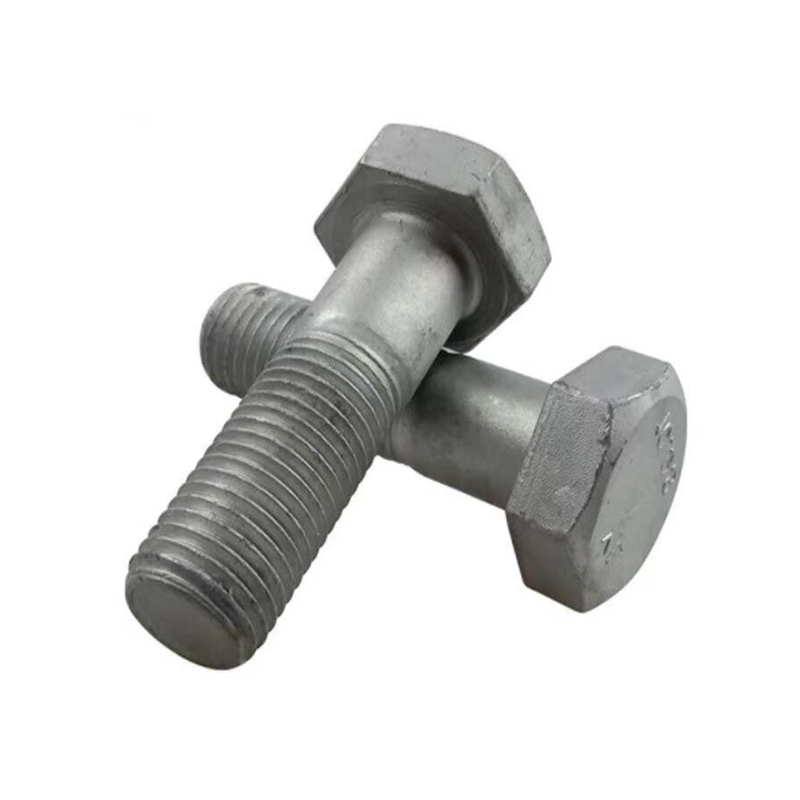
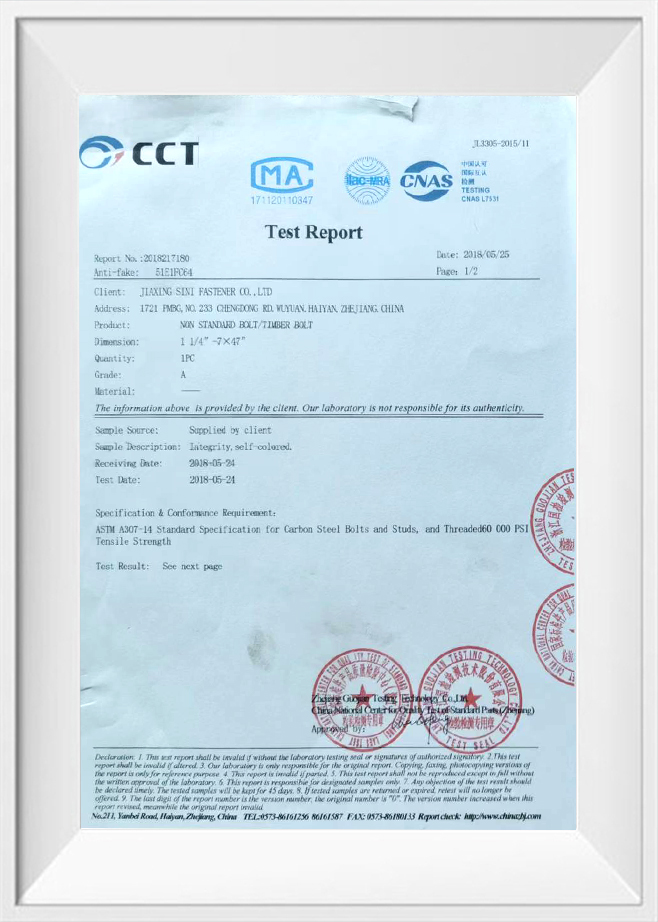
ASTM A307 Grade A is a low-carbon steel specification with a minimum tensile strength of 60,000 psi. It does not call for a specified yield strength or a heat-treated core. That makes A307 Grade A timber bolts a general-purpose fastener, not a high-strength one.
For timber work, that is usually enough. Wood fails in bearing and splitting long before a mild steel bolt reaches its limit, so paying for a higher grade rarely improves the joint. The timber, not the steel, sets the capacity of most bolted wood connections.
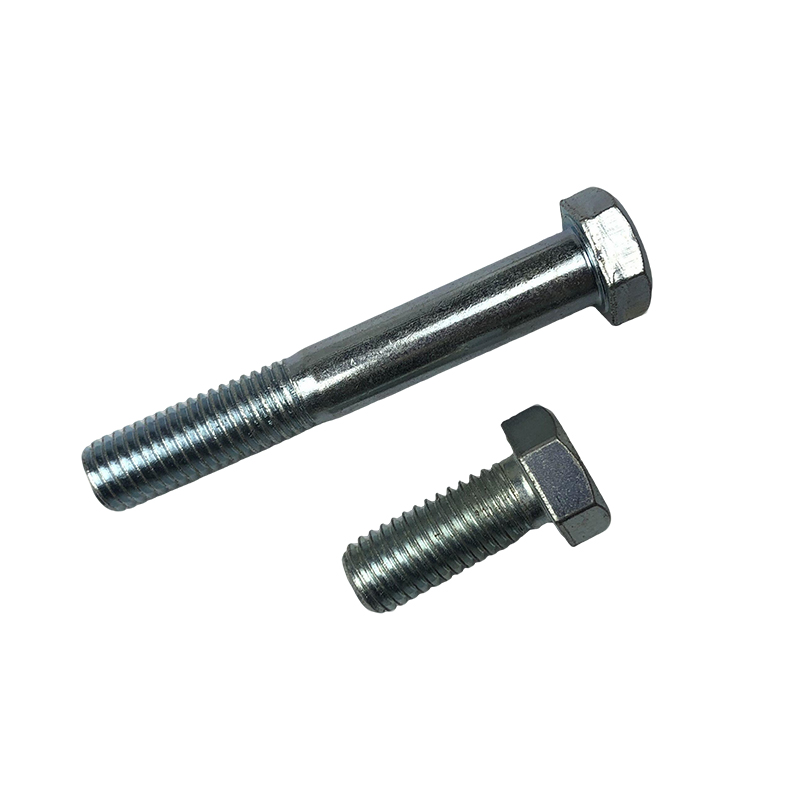
Where the grade falls short is preloaded or slip-critical steel connections. Those call for heavy hex structural bolts, not economy hardware. Marine piers, retaining walls, bridge decking, timber trusses and fence framing all sit comfortably inside the A307 range.
Plain or Hot-Dip Galvanized: Picking the Right Finish
Plain carbon steel is cheapest, but it starts to rust the first time it gets wet. Use it only for dry, interior framing or for temporary structures that will be dismantled.
Anything outdoors, near salt water, or in contact with treated lumber should be hot-dip galvanized (HDG). The zinc layer is far thicker than electroplating, and it keeps protecting cut edges and scratches through sacrificial corrosion. Modern wood preservatives can be aggressive toward bare steel, which is one more reason to specify HDG for treated timber.
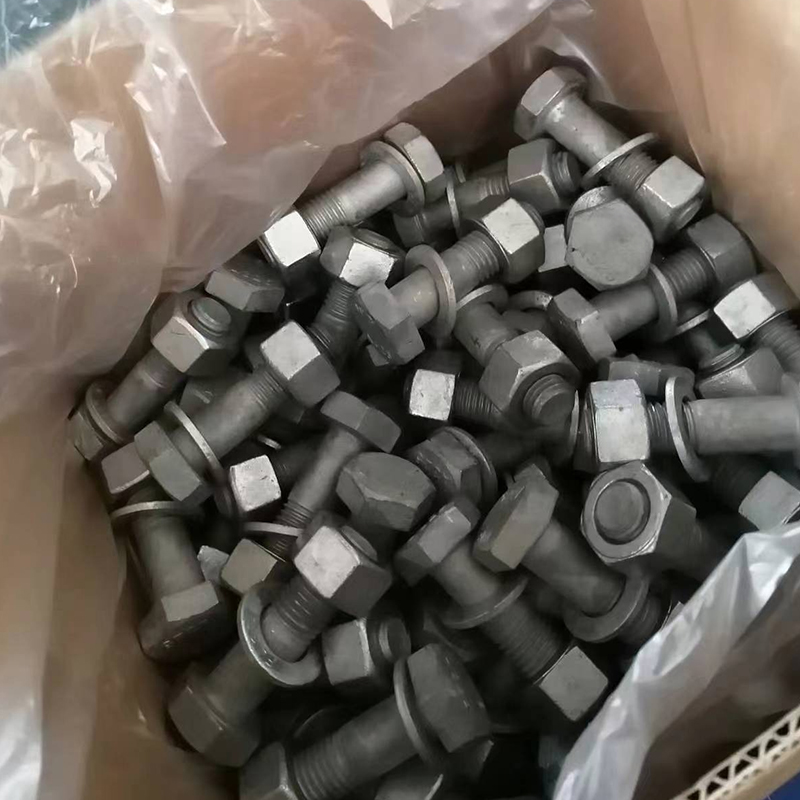
One detail catches buyers out. Galvanizing thickens the threads, so the nut must be tapped oversize to match. Order the bolts and nuts together, or confirm the pairing in advance, rather than mixing suppliers. Sourcing carbon steel timber bolts in either plain or HDG finish from one supplier keeps that fit consistent.
Head Style, Fin Count, Diameter and Length
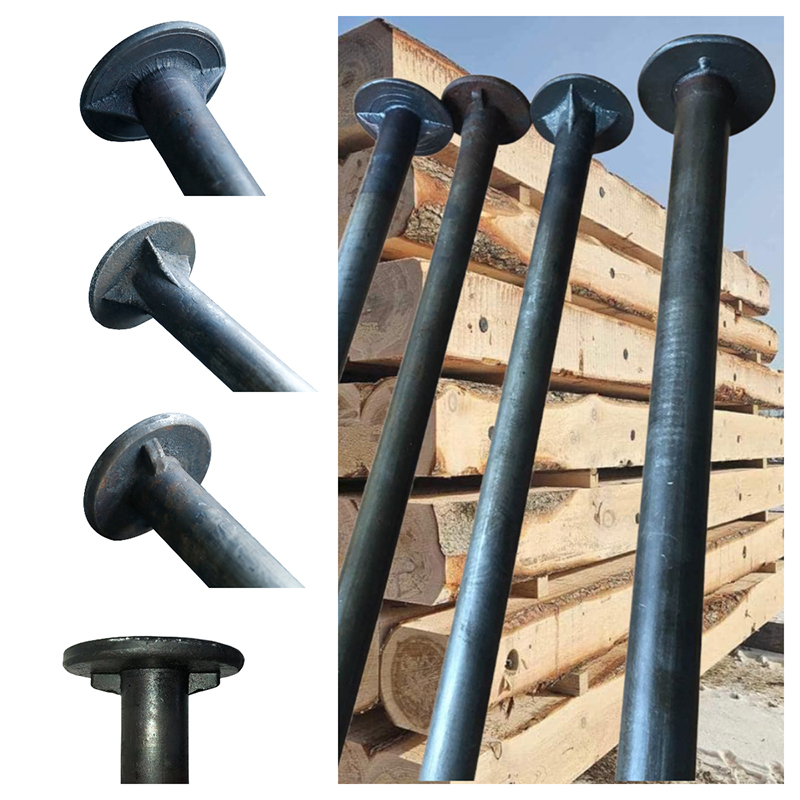
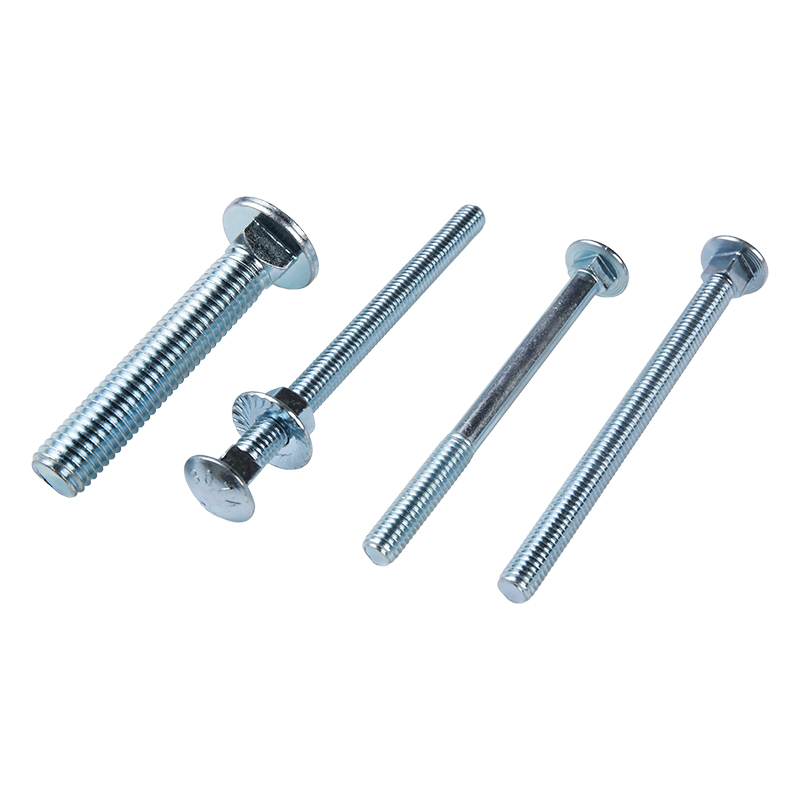
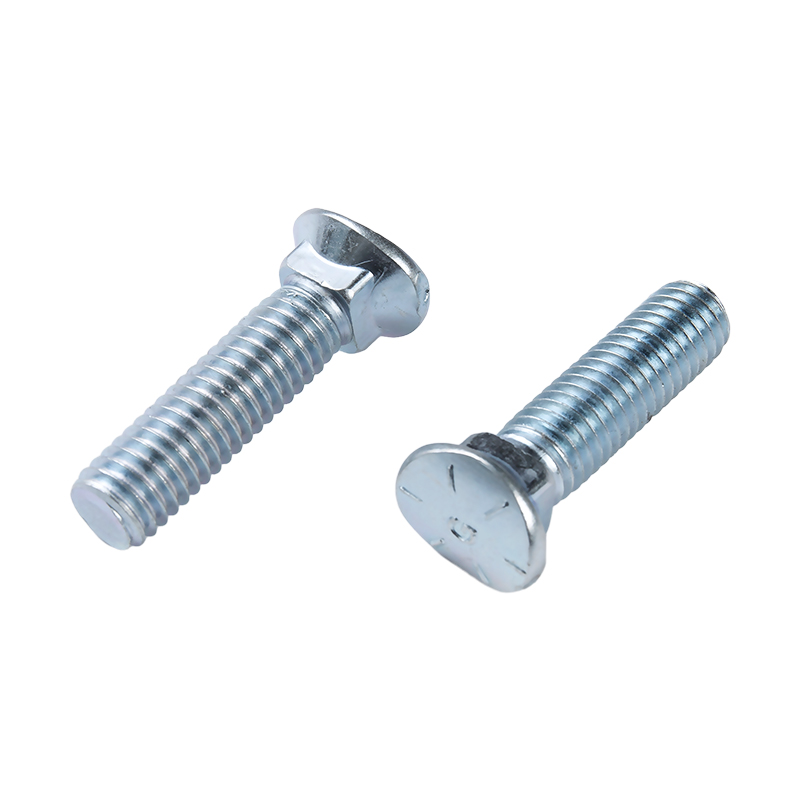
A timber bolt has a wide, low dome head, sometimes called a fender or mushroom head. Two small fins under the head bite into the wood and stop the bolt from spinning while you tighten the nut. That is why one person can install it with a single wrench and no access to the head side.
The standard range for this product is shown below. Flat heads suit surfaces that must sit flush, while dome heads are the usual choice where a smooth, snag-free profile matters, such as on docks and fender boards.
Available specifications for A307A timber bolts
| Parameter |
Option |
| Head type |
Flat, dome |
| Fin type |
2 fins, 4 fins |
| Thread diameter |
1/2" to 1 1/2" |
| Length |
Up to 96" |
| Coating |
Plain, hot-dip galvanized |
Choose the length by adding the total thickness of the timber stack, the washer, the nut, and at least one to two full threads of protrusion. Four-fin versions grip harder in dense or wet timber, where two fins may not hold under torque. Non-standard lengths and drawings can be made to order.
Installation Habits That Protect the Joint
Most timber bolt failures trace back to the installation, not the bolt. A few habits prevent nearly all of them.
- Drill straight through all members in a single pass, so the holes line up and the bolt does not bend as it goes in.
- Follow the hole size on your drawing or engineer's specification. Seat the fins by driving the bolt in gently, not by hammering the head hard enough to crush the wood.
- Always place a flat washer under the nut. Without it, the nut digs into the timber surface as the joint tightens.
- Tighten until snug, not until the wood crushes. Overtightening damages the fibers that carry the load.
Timber shrinks as it dries, and a joint that was tight on day one can loosen within weeks. Recheck and retighten the nuts after the first drying season, particularly on green or freshly treated lumber. For large projects, add this to the maintenance plan from the start.

 English
 Español