English
 Español


Industry News
Home / News / Industry News / Timber Bolts: Types, Sizes, Materials, and Sourcing Guide for Heavy Loads
Timber Bolts: Types, Sizes, Materials, and Sourcing Guide for Heavy Loads
Oct 27, 2026
Content
- 1 What Timber Bolts Are and Where They Are Used
- 2 Head Styles and Neck Designs You Can Specify
- 3 Sizes, Materials, and Coatings at a Glance
- 4 How to Choose the Right Timber Bolt
- 5 What We Check Before a Batch Ships
- 6 Custom Timber Bolts Built to Your Drawing
- 7 Companion Fasteners for Timber Connections
- 8 Questions Buyers Ask Us
Timber bolts are the fasteners you reach for when a wood connection has to carry real load. They are not trim screws, and they are not lag bolts. They are large-diameter bolts with a smooth shank, a head that spreads clamping pressure across the timber face, and a neck that bites into the wood so the bolt cannot spin while the nut is tightened.
We have been manufacturing bolts and screws for buyers in North America, South America, and Europe for more than twenty years, and timber bolts come up in almost every conversation about docks, boardwalks, retaining walls, playground structures, and heavy timber frames. This page walks through the head styles, neck designs, sizes, materials, and coatings that matter, along with the practical questions worth settling before a purchase order goes out.
What Timber Bolts Are and Where They Are Used
A timber bolt is a heavy-duty fastener built for wood-to-wood and wood-to-steel connections. The shank is partially threaded, so most of the bolt body stays smooth inside the timber while the threads sit outside the wood where the nut and washer go. That smooth shank is what lets the wood swell and shrink with the seasons without the threads chewing into the grain.
Because of their size and holding power, timber bolts are common in:
- Marine and dock construction, including pilings, fender systems, and boardwalks
- Heavy timber framing, trusses, and post-and-beam structures
- Retaining walls, crib walls, and bulkheads
- Playground equipment and park structures
- Bridge decking, railings, and utility pole hardware
If you are used to carriage bolts, the difference is mostly scale. A carriage bolt typically tops out near 1/2 inch in diameter, while a timber bolt can run much larger, up to 1-1/2 inches, with a heavier head and a deeper neck to match the load.
Head Styles and Neck Designs You Can Specify
The two features buyers ask about first are the head and the neck, because together they decide how the bolt sits in the wood and whether the joint can be tightened from one side.
Dome head
The dome, or button, head is the classic timber bolt profile. It leaves a rounded cap above the timber surface, spreads the clamping load over a wide area, and needs no washer on the head side. It is the usual choice for docks, pilings, and anywhere a protruding head is acceptable or even helpful.
Countersunk head
A flat countersunk head is specified when the bolt has to finish flush with the timber face. Decking, railings, and finished architectural work are typical examples. It is usually paired with a square or finned neck so the head can be pulled down tight into a pre-bored, tapered hole.
Neck types
- Square neck: a square shoulder under the head bites into the wood and stops the bolt from turning while the nut is run up.
- Finned or ribbed neck: short fins under the head do the same job and are common on larger diameters.
- Plain shank: used where the hole is pre-drilled to fit and the assembly can be held from both sides during tightening.
Sizes, Materials, and Coatings at a Glance
Most timber bolt specifications come down to a handful of variables. The table below shows the ranges we work with most often and the details worth confirming against the drawing.
| Feature | Common Range | What to Confirm |
|---|---|---|
| Diameter | 3/16" to 1-1/2" (5 mm to 52 mm) | Hole size and neck dimensions |
| Length | 1/2" to 60" (10 mm to 1500 mm) | Grip length plus thread run-out |
| Material | Carbon steel, stainless steel | Corrosion exposure and strength class |
| Finish | Plain, zinc plated, hot-dip galvanized | Marine use or treated-timber contact |
| Thread | Partially threaded, inch or metric | Nut and washer compatibility |
| Standards | DIN and IFI, or your drawing | Tolerances and inspection requirements |
Two points are worth flagging early. First, the neck is a machining detail, not a guess: send us the hole size and the head profile, and we will match the shoulder so the bolt seats the way the design intends. Second, coating choice follows the environment. Timber that sits near salt water, or lumber treated with aggressive preservatives, will punish a thin zinc layer, so hot-dip galvanizing or stainless steel is usually the safer conversation.
If you want to see how timber bolts sit alongside the rest of the range, our bolts catalogue covers hex, heavy hex, carriage, plow, silo, and elevator patterns as well.
How to Choose the Right Timber Bolt
When a customer asks us to help specify a bolt, we usually walk through the same sequence:
- Start with the load and the joint type, not the bolt. Decide whether the connection is in shear, in tension, or both, and how many bolts share the load.
- Match the neck to the hole. A square or finned neck needs a properly sized hole so it seats without splitting the grain.
- Set the diameter from the design, then set the length from the grip: timber thickness plus washer plus nut, with enough thread outside the wood.
- Choose material and coating for the service environment, including whether the lumber is treated and whether salt or constant moisture is present.
- Confirm the thread, nut, and washer so everything arrives as a complete assembly rather than a partial one.
- Agree the standard and the inspection paperwork before production starts, especially for projects that require test reports.
If you would like a longer breakdown of types, sizes, and materials, we keep a more detailed guide in our industry notes.
What We Check Before a Batch Ships
Our plant holds ISO 9001 certification, and quality control on timber bolts is not a final glance at a pallet. Dimensional work is done with a video measuring system, hardness is verified on a hardness tester, and mechanical performance is checked on a universal testing machine and a tensile tester. A salt spray chamber covers corrosion resistance, a metallographic microscope lets us look at structure, and an optical emission spectrometer confirms the chemistry of the steel before the bolts are even formed.
The goal is simple: every bolt should meet the strength, durability, and reliability the customer specified, whether that specification arrives as a DIN or IFI standard or as a customer drawing with a tolerance block.
Custom Timber Bolts Built to Your Drawing
Standard patterns cover a lot of ground, but timber projects rarely arrive in neat boxes. We produce to DIN and IFI standards and also manufacture to customer-specific designs and drawings, in both inch and metric dimensions, in carbon steel and stainless steel. That flexibility is useful when a head profile, neck shape, thread length, or overall length needs to change to suit a particular structure.
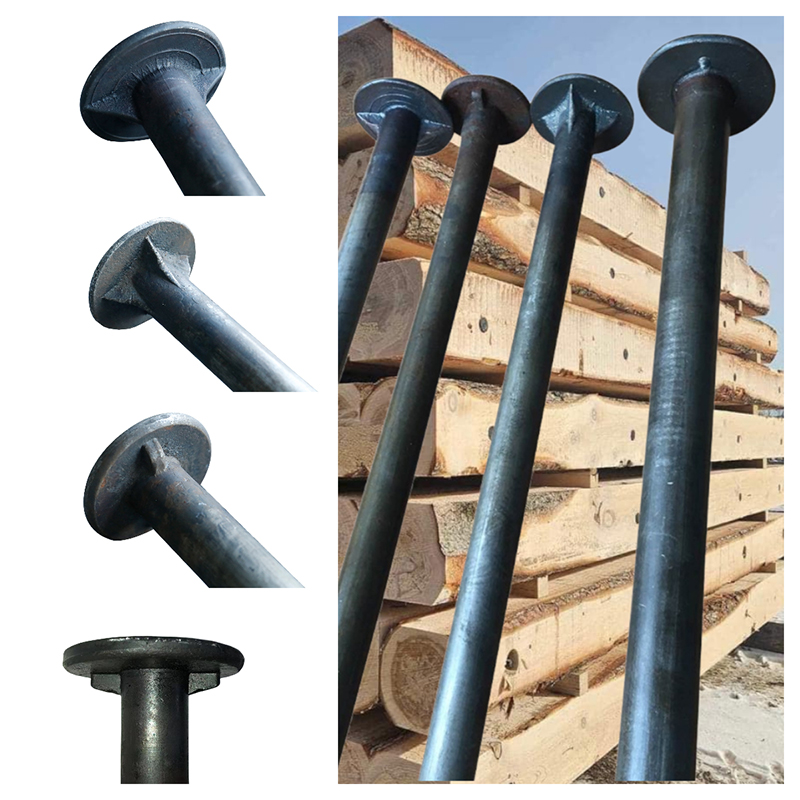 A307 Grade A Timber Bolts for Wood and Marine ApplicationsLarge dome-head timber bolts with anti-turn fins, produced in carbon steel to drawings and available plain or hot-dip galvanized for timber structures.View Product →
Send the drawing, the quantity, and the material you have in mind, and we will come back with a practical answer rather than a generic catalogue page.
Companion Fasteners for Timber Connections
Timber bolts rarely travel alone. Lighter connections often use carriage bolts with a smooth dome head and square neck, which are a good fit for decking, fencing, and general timber assembly where a smaller diameter is enough. Where timber meets steel plates or brackets, hex bolts and heavy hex bolts give you a standard wrenching surface and a predictable strength class.
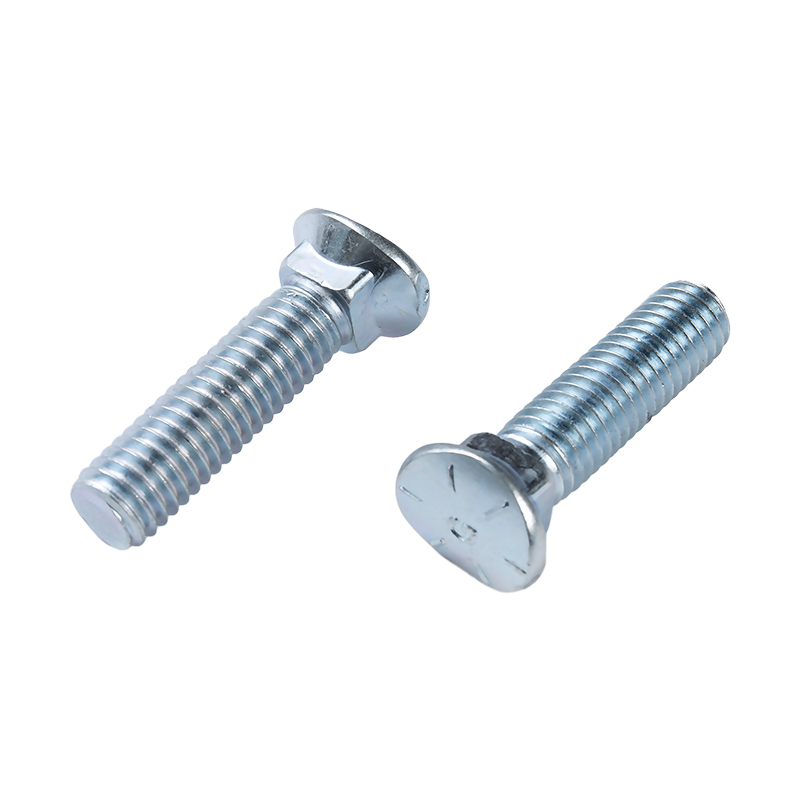
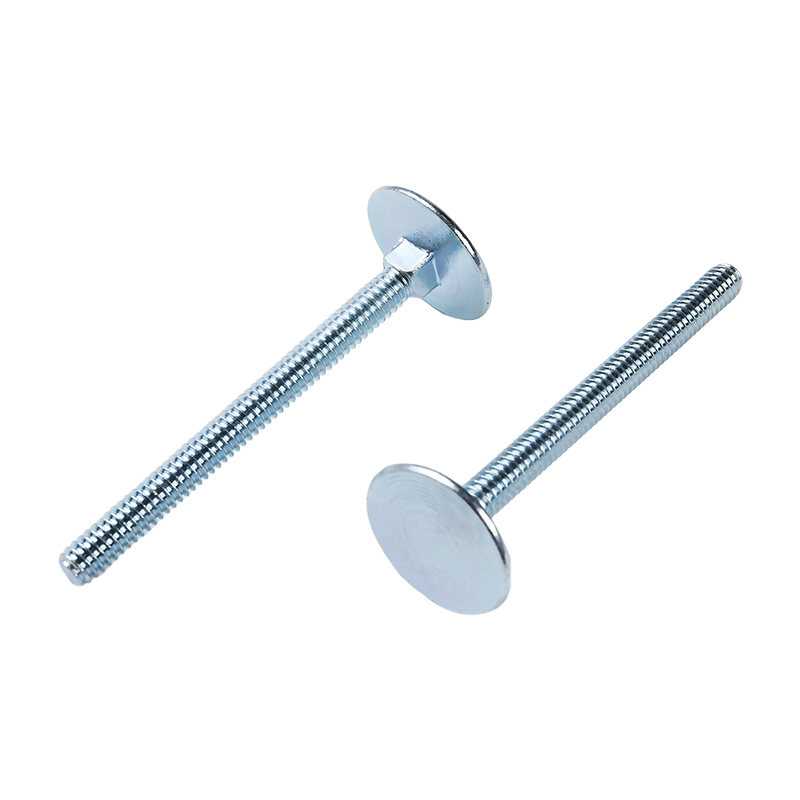
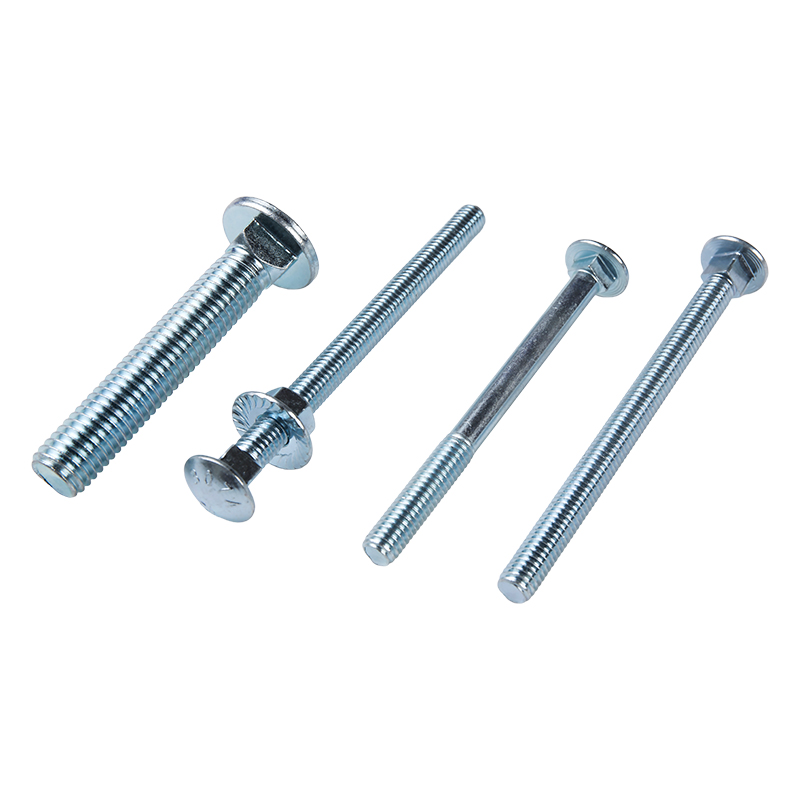 Carriage Bolts with Square Neck for Timber ConnectionsSmooth dome-head carriage bolts with a square anti-turn neck, suited to decking, fencing, and general timber assembly where a smaller diameter is sufficient.View Product →
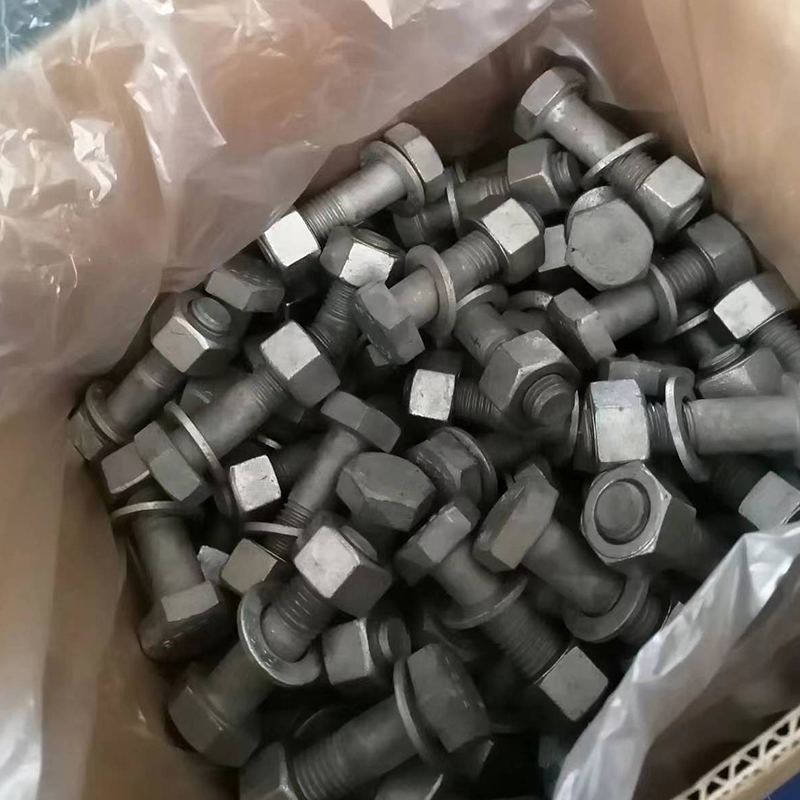
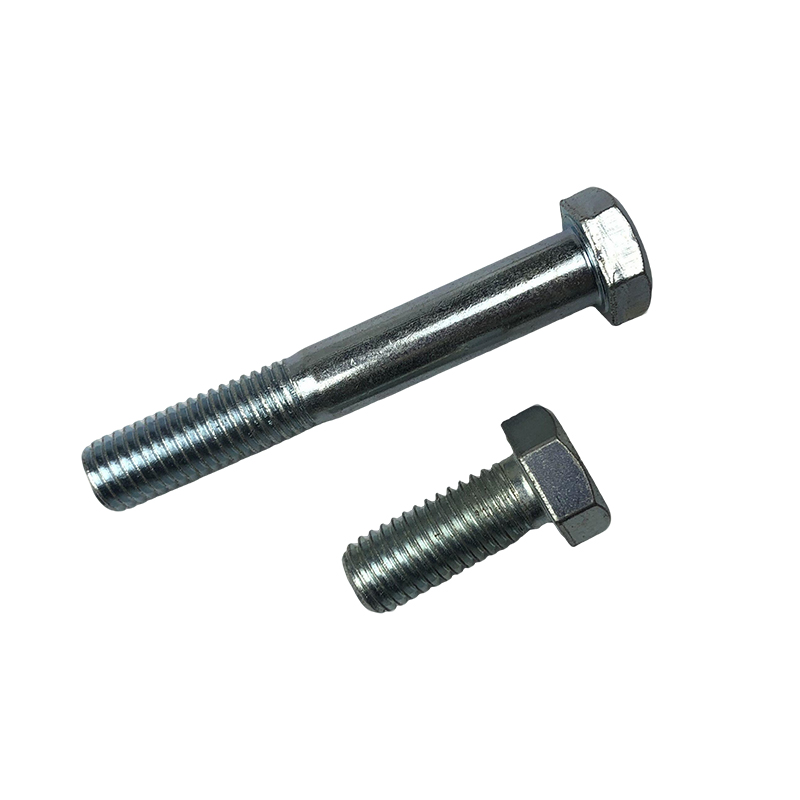 Carbon Steel Hex Bolts for Machinery and Structural ConnectionsStandard hex-head carbon steel bolts in full or partial thread, with black oxide finish and multiple grades for machinery, frames, and general industrial assembly.View Product →
Nuts, washers, threaded rods, and studs fill out the rest of the assembly, so a single shipment can carry the whole connection instead of three partial ones.
Questions Buyers Ask Us
Can timber bolts be used in treated lumber?
Yes, but the coating matters. Treated timber and marine exposure both call for hot-dip galvanizing or stainless steel rather than a light zinc plate.
What is the difference between a timber bolt and a carriage bolt?
Mostly size and head profile. Carriage bolts are smaller and typically used for lighter timber connections, while timber bolts run to larger diameters with a heavier dome or countersunk head and a deeper neck.
Do you supply custom lengths and diameters?
Yes. We work from customer drawings as well as standard specifications, so non-standard lengths, thread runs, and head shapes are normal business for us.
Timber bolts are a small part of a structure and a large part of whether it stays tight for the next twenty years. If you are sourcing for a dock, a frame, or a retaining wall and want a straight answer on sizes, materials, or coatings, call us at 0086-573-86121535 or send your drawing through. We are based in Haiyan, Zhejiang, with production in Zhejiang and Jiangsu, and we are always glad to talk through a connection before the order is placed.