English
 Español


Industry News
Home / News / Industry News / Round Head Square Neck Carriage Bolts: Practical Applications, Selection, Performance
Round Head Square Neck Carriage Bolts: Practical Applications, Selection, Performance
Oct 20, 2026
Content
Carriage bolts are one of those fasteners that look simple until you need to match one exactly. The round head square neck carriage bolt is the classic form: a smooth domed head, a square shoulder beneath it, and a coarse thread that takes a nut. We have been making bolts and screws in Zhejiang for more than two decades, and this style still comes up in decking, timber frames, steel brackets, and repair work where the head must sit flush and the bolt must not spin. This guide covers what the part does, how to read the dimensions, and what to confirm before you place an order.
What a Round Head Square Neck Carriage Bolt Does
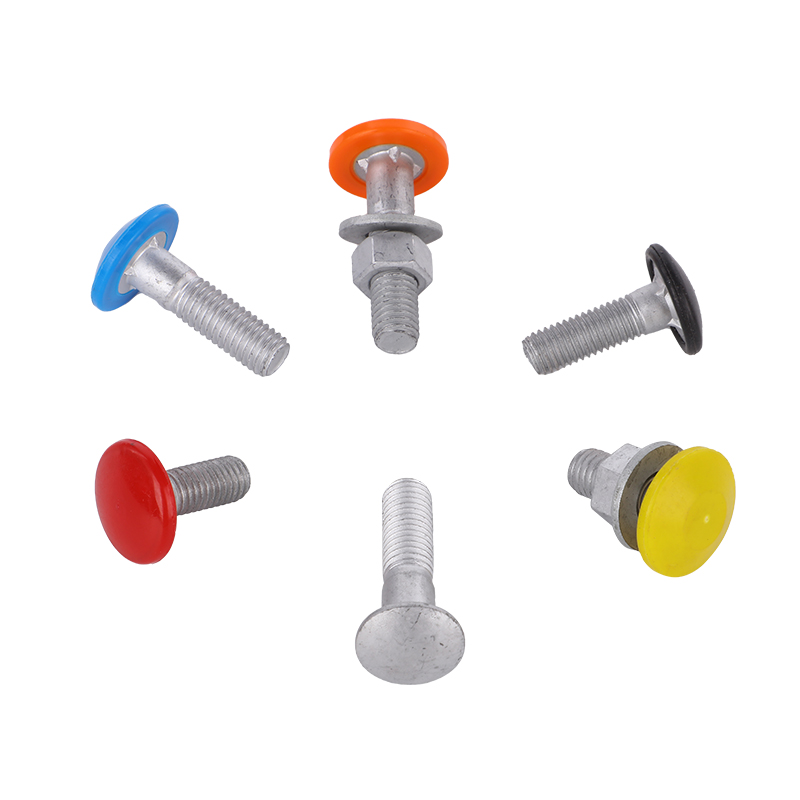
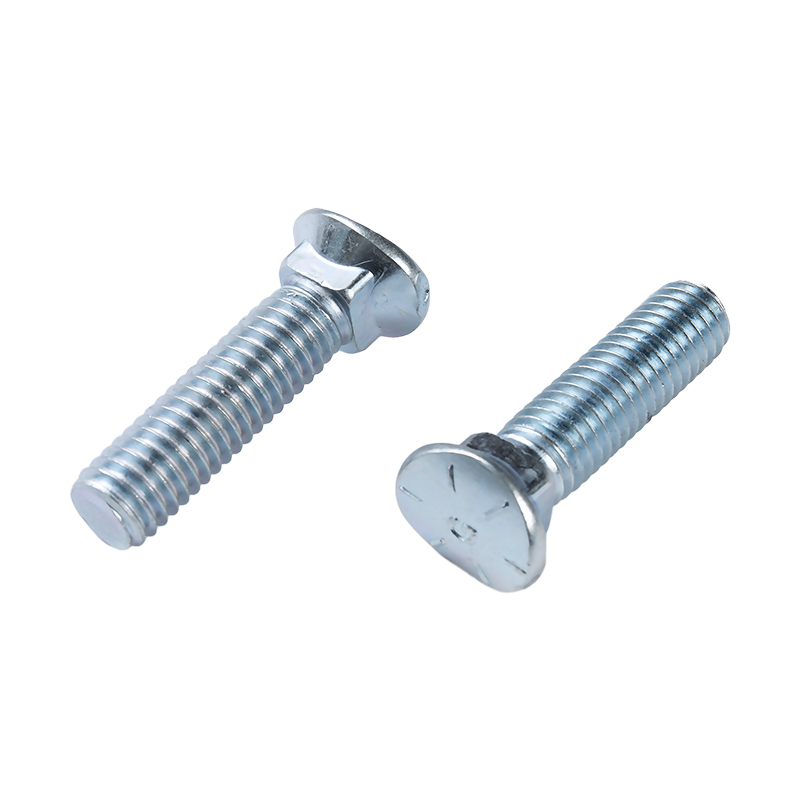
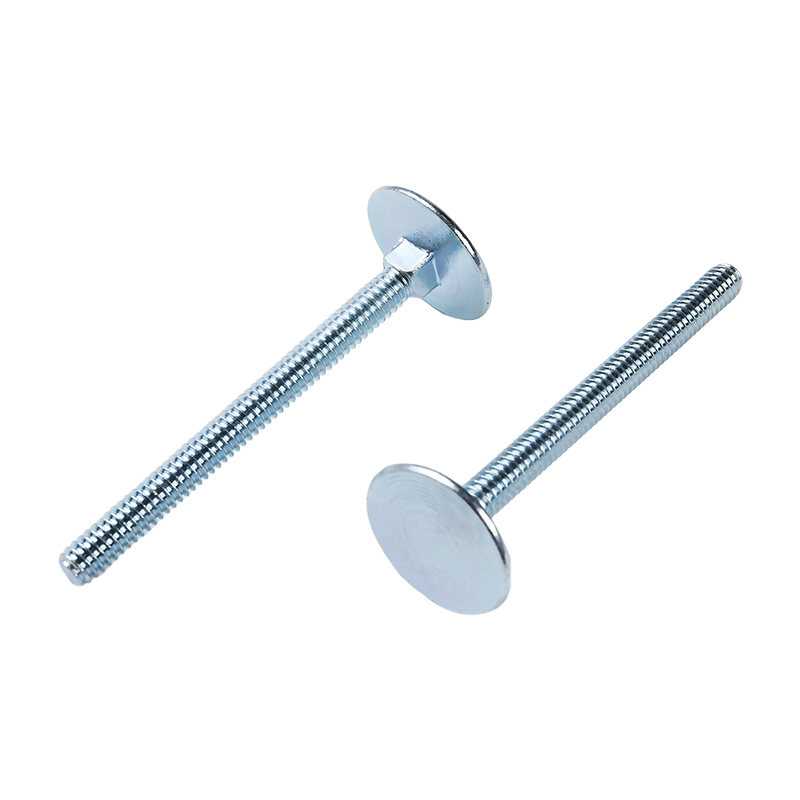
Start with the geometry. The round head has no driving recess, so you cannot turn it with a wrench or driver from the top. That is deliberate. The square neck sits directly beneath the head and bites into the material as the nut is tightened. In timber, the neck beds into the wood and keeps the bolt from rotating. In steel, the neck needs a matching square hole, and the hole does the same job. The coarse thread pulls the joint together quickly and works well with a standard nut and washer. This is not a bolt you tighten from the head; it is a bolt you pull into place from the nut side. That distinction shapes everything from hole preparation to final inspection. If you want a deeper walkthrough of specifications and sourcing checks, we keep a more detailed specification and sourcing guide on the site.
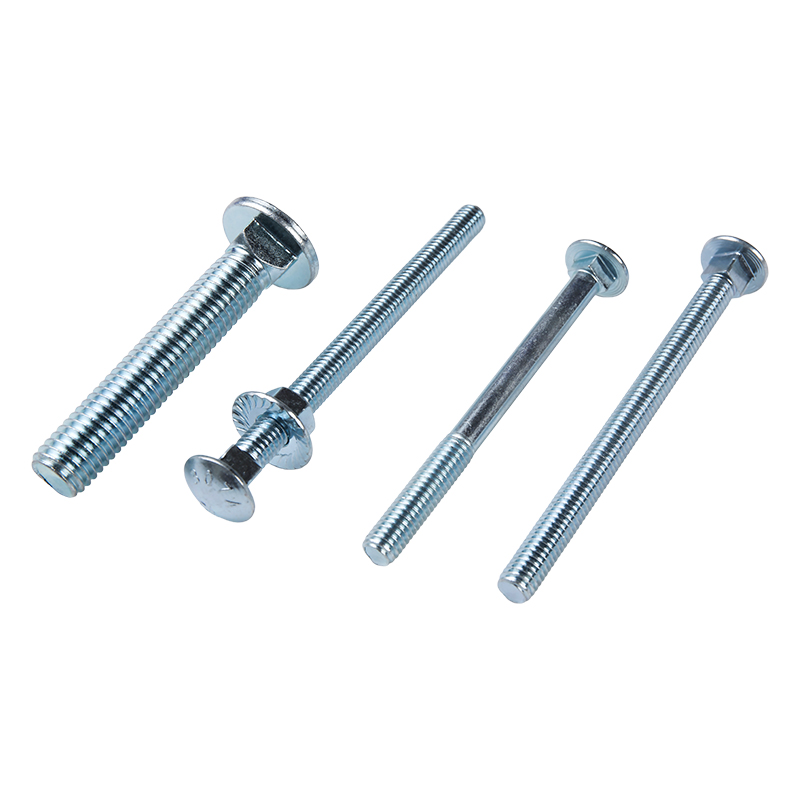 Round-Head Square-Neck Carriage Bolts for Timber ConnectionsSmooth domed head and square neck resist rotation in wood; review dimensions, neck type, thread, and coating before specifying.View Product →
Dimensions and Size Ranges to Confirm
Carriage bolt dimensions are easy to misread if you only measure the head. The stated length is normally taken from under the head to the end of the shank, not including the domed head. The grip length is the thickness of the material being clamped, and it is the number that decides whether the bolt is long enough. You also need the head diameter, head height, square neck dimensions, thread length, and thread pitch. A bolt can look right in a bin and still fail at assembly if the neck is too shallow for the hole or the thread runs too far into the grip.
| Feature | Imperial range | Metric range | What to confirm |
|---|---|---|---|
| Diameter | 3/16 in to 1 1/2 in | 5 mm to 52 mm | Hole size and square neck fit |
| Length | 1/2 in to 60 in | 10 mm to 1500 mm | Grip length under the head |
| Thread | Unified coarse | Metric coarse | Nut match and thread length |
| Head and neck | Round head, square neck | Round head, square neck | Head radius and neck depth |
When a drawing is available, send it rather than a description alone. A few thousandths of an inch on the neck or a small change in head height can affect how the bolt seats. For standard work, tell us the diameter, length, thread, material, finish, and the standard you are working to. For custom work, the drawing controls.
Materials, Grades, and Finishes
Most carriage bolts are made from low- or medium-carbon steel because the square neck needs to form cleanly and the head needs to be strong without becoming brittle. Stainless steel is the other common choice where moisture, salt, or chemical exposure is part of the service condition. In our own range, most items can be supplied in steel or stainless steel, and we produce to DIN and IFI standards as well as to customer drawings. That flexibility matters when a project mixes standard hardware with a few special parts.
Finish deserves the same attention as material. Zinc plating is common for indoor and mildly exposed work. Hot-dip galvanizing is often chosen for outdoor structures that will see weather. If you need a specific coating thickness, salt-spray target, stainless grade, or test report, put it in the inquiry rather than leaving it to assumption. It is also worth stating whether the bolt will be used with treated timber, because some treatments and fasteners do not pair well over time. A short conversation at the quotation stage is cheaper than a rejected shipment later.
Where These Bolts Earn Their Place
Carriage bolts are at their best when one side of the joint should stay smooth. Decks, fences, barns, timber framing, playground equipment, docks, and furniture frames all use them. The square neck pulls into wood and stops rotation, so you can tighten a nut from the back without holding the head. In steel-to-timber connections, the bolt passes through a steel plate with a square hole and clamps into the timber. In all-steel assemblies, a square hole is still required; a round hole will not give the neck anything to grip. They are less suitable for joints that will be taken apart often, because the neck can chew the hole over time.
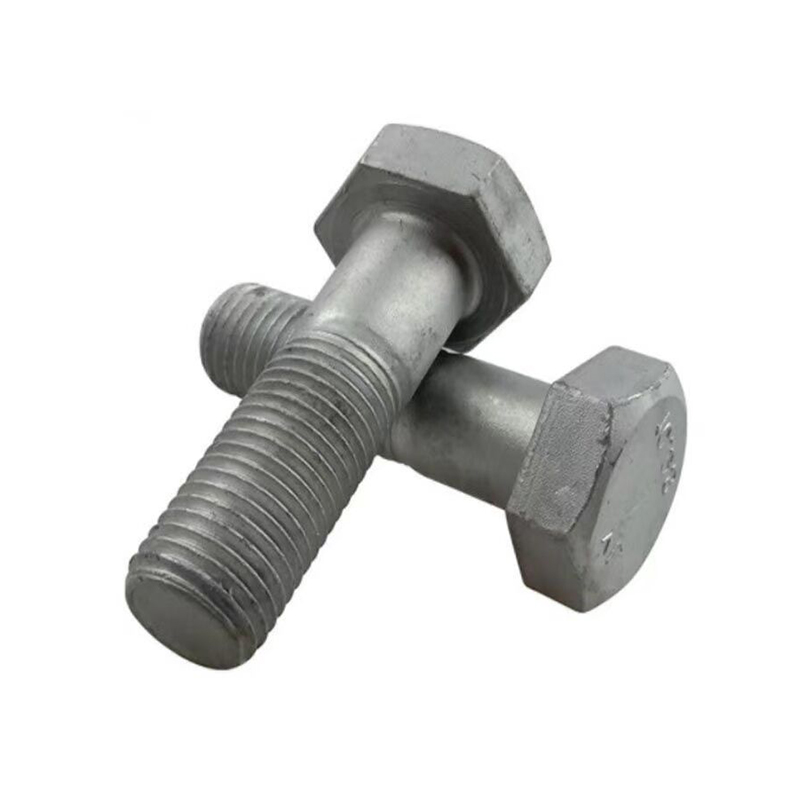
For heavier timber-to-timber work, our timber bolt range is a separate family worth comparing. It uses a different geometry and is intended for larger timber connections rather than general light-duty fastening.
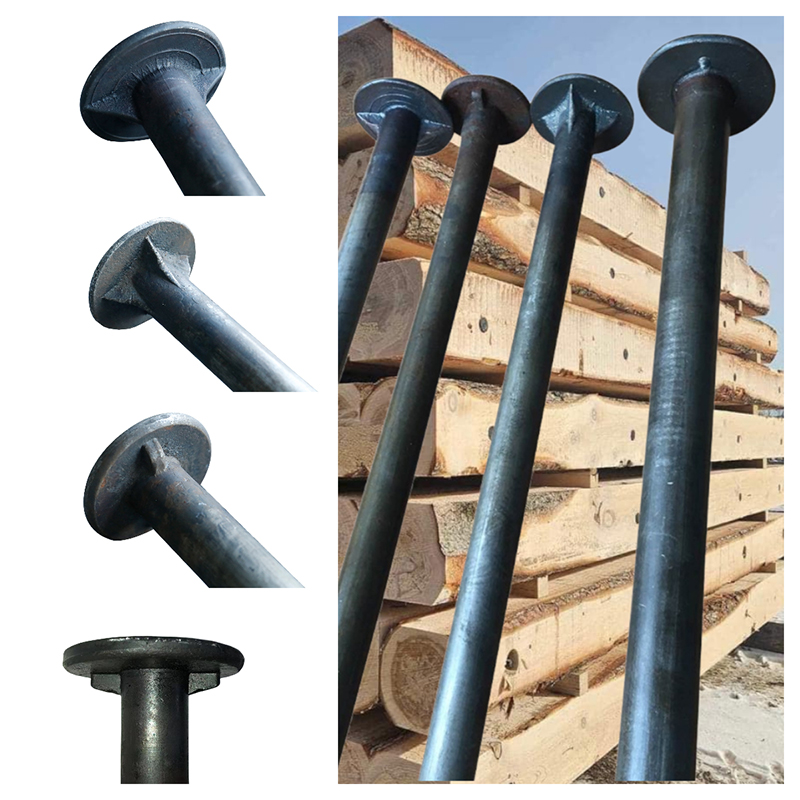 A307 Grade A Dome-Head Timber BoltsLarge finned head bites into timber for heavy connections; compare against carriage bolts when matching samples or larger timber work.View Product →
How to Specify a Carriage Bolt Correctly
- Determine the grip length first. Measure the total thickness of the parts being clamped, then add allowance for the nut and washer. Do not use the overall bolt length as a substitute.
- Confirm the standard and thread. State whether the thread is unified or metric coarse, and give the thread length if it is not standard. Check that the nut and washer match the thread and finish.
- Match the neck to the hole. In timber, the square neck should bite into the wood without splitting it. In steel, the square hole should be sized so the neck seats firmly but does not need to be forced.
- Choose the head, material, and finish for the environment. A smooth round head is normal, but head radius and height still need to suit the application. Stainless steel or a heavier zinc coating may be the right call outdoors.
- Decide whether custom production is needed. Non-standard neck depth, thread length, head shape, or material often calls for a drawing-based quote rather than a catalog part.
If you are matching an existing bolt, send a sample or clear dimensions. Photographs help, but they do not replace calipers. The goal is to remove guesswork before the first piece is cut.
Quality Checks and Sourcing Notes
Carriage bolts are simple parts, but they still need checks that match the job. Our quality control includes salt-spray testing, universal testing machines, hardness testers, video measuring systems, metallographic microscopes, tensile testers, and optical emission spectrometers. In practice, that means we can review material chemistry, mechanical properties, thread fit, head and neck dimensions, and coating performance. The company is ISO 9001 certified, and the inspection plan can be adapted to the order.
For buyers, the useful questions are straightforward: Which standard applies? Which material grade is required? What finish and coating weight are needed? What is the acceptance criteria for the square neck and head? Do you need mill certificates or dimensional reports? Answering these before production avoids the familiar problem of a bolt that meets a catalog description but not the actual assembly. We would rather ask those questions early than explain a delay later.
Frequently Asked Questions
Are carriage bolts and round head square neck bolts the same thing?
In many catalogs, yes. The round head and square neck are the defining features. Some carriage bolts use a different neck style, so it is still worth confirming the drawing or sample rather than relying on the name alone.
Can carriage bolts be used in metal?
They can, but the metal part needs a square hole that captures the neck. A round hole will let the bolt spin when the nut is tightened. For thin sheet or high-load connections, check the design with an engineer rather than treating the bolt as a universal replacement.
Do carriage bolts come in stainless steel?
Yes. Stainless steel is a practical choice for wet, coastal, or chemical exposure. Confirm the stainless grade, finish, and any required test documentation when you request a quote.
If you are working through a specification, start with the grip length and the neck fit. Those two details decide more than any catalog photo. From there, material and finish can be matched to the environment, and the order can be checked against a drawing instead of a guess.