English
 Español


Industry News
Home / News / Industry News / Carbon Steel Bolts: A Practical Guide to Grades, Coatings, and Sourcing
Carbon Steel Bolts: A Practical Guide to Grades, Coatings, and Sourcing
Nov 24, 2026
Content
- 1 Carbon Steel Bolts Are a Family, Not a Single Specification
- 2 Coatings and Corrosion Protection
- 3 Dimensions, Standards, and the Details That Cause Returns
- 4 Matching the Bolt to the Joint and the Job Site
- 5 What We Check Before a Carbon Steel Bolt Ships
- 6 Sourcing and Custom Runs: How to Make the RFQ Work
Carbon steel bolts are the quiet workhorses behind many structures, machines, and everyday products. They are simple in form, yet the details that matter—grade, thread, coating, and documentation—can decide whether an assembly performs as expected or creates costly rework. At JIAXING SINI FASTENER, we have worked with carbon steel bolts and custom fasteners for more than two decades, supplying standard and engineered parts to customers in North America, South America, and Europe. This guide reflects the questions we hear most often from buyers and engineers.
Carbon Steel Bolts Are a Family, Not a Single Specification
“Carbon steel” describes the base material, not the finished performance level. Carbon content, alloying elements, heat treatment, and thread geometry all change what a bolt can do. A low-carbon general-purpose bolt and a quenched-and-tempered high-strength bolt may look similar at a glance, but they are not interchangeable.
This is why a purchase order should name the governing standard and grade—or property class—rather than simply saying “carbon steel.” Inch-series bolts often reference ASTM or SAE grades, while metric bolts commonly use ISO 898-1 property classes. The table below gives a practical starting point, but final selection still belongs with the joint design, load requirements, and applicable code.
| Grade or class | What it usually signals | Typical fit |
|---|---|---|
| ASTM A307 Grade A | Low-carbon, general-purpose bolt | Brackets, light structural connections, general fastening |
| SAE J429 Grade 5 | Medium-carbon, quenched and tempered | Machine assemblies and equipment frames |
| ISO 898-1 Class 8.8 | Metric quenched and tempered bolt | General structural and mechanical joints |
| ASTM F3125 A325 | High-strength structural bolt | Steel-to-steel structural connections |
| ISO 898-1 Class 10.9 | High-strength metric bolt | Heavily loaded machinery and structural joints |
A bolt can meet a grade on paper and still fail in service if heat treatment, thread fit, or coating thickness is inconsistent. Buyers should ask for mill certificates, heat numbers, and dimensional reports that match the actual lot—not just a catalogue page.
Coatings and Corrosion Protection
Most carbon steel bolts need a finish to resist corrosion. The right choice depends on the service environment, expected life, and whether the bolt will be exposed to moisture, salt, chemicals, or repeated temperature changes.
- Plain or lightly oiled bolts are usually limited to dry, indoor applications.
- Electroplated zinc offers economical protection for indoor and mildly corrosive conditions.
- Hot-dip galvanizing provides a thicker zinc layer for outdoor and industrial exposure, but thread allowances and nut fit must be considered.
- Zinc-flake coatings are often selected for high-strength bolts where a thin, uniform film and controlled hydrogen embrittlement risk matter.
- Black oxide is mainly a surface appearance and mild protection finish; it is not a substitute for zinc in wet environments.
Coating changes thread dimensions. A bolt that spins freely before plating may bind after coating, especially with hot-dip galvanizing. For high-strength bolts, electroplating and baking procedures deserve close attention. If you need a structured checklist, our buyer’s checklist for carbon steel bolt grades and coatings covers the details we routinely confirm before production.
Dimensions, Standards, and the Details That Cause Returns
Many fastener problems begin with an incomplete drawing or a loose description. “M12 hex bolt, zinc plated” leaves too much open: thread pitch, length definition, head dimensions, property class, coating thickness, and inspection requirements are all undefined. A useful RFQ closes those gaps.
- Governing standard and grade or property class.
- Nominal diameter and thread pitch, including UNC, UNF, metric coarse, or metric fine.
- Length definition—under-head length versus overall length.
- Head style, across-flats dimension, and whether a washer face is required.
- Thread length and whether the bolt is fully threaded or partially threaded.
- Coating type, specified thickness, and any color or appearance requirement.
- Head markings, lot traceability, and packaging identification.
- Inspection documents, sampling plan, and acceptance criteria.
We produce to DIN and IFI standards and can work in both inch and metric sizes. For standard hex work, our bolt range includes general hex bolts and screws, heavy hex bolts, and application-specific designs.
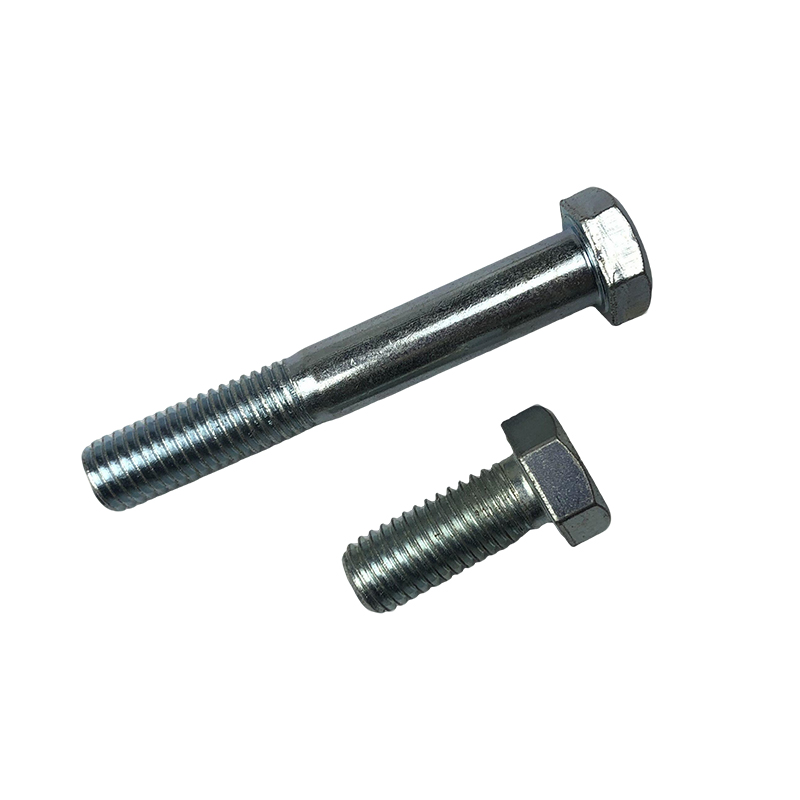 Carbon Steel Plain Hex Bolts for General Industrial FasteningASME B18.2.1 and DIN 933/931 hex bolts in carbon steel, with multiple grades and coatings for machinery, maintenance, and structural assemblies.View Product →
Matching the Bolt to the Joint and the Job Site
Construction hardware, machinery, machine tools, electrical equipment, and furniture all use carbon steel bolts, but they do not ask the same things of them. A furniture bolt may prioritize appearance and consistent thread fit. A machine frame may need a specific property class and controlled clamp load. An outdoor structural connection may demand hot-dip galvanizing, clear marking, and documented mechanical properties.
Heavy hex bolts are a practical choice when you need a larger bearing area and a robust head configuration for structural or heavy equipment work. They are not simply “bigger hex bolts”; head dimensions, thread length, and grade should be confirmed against the drawing.
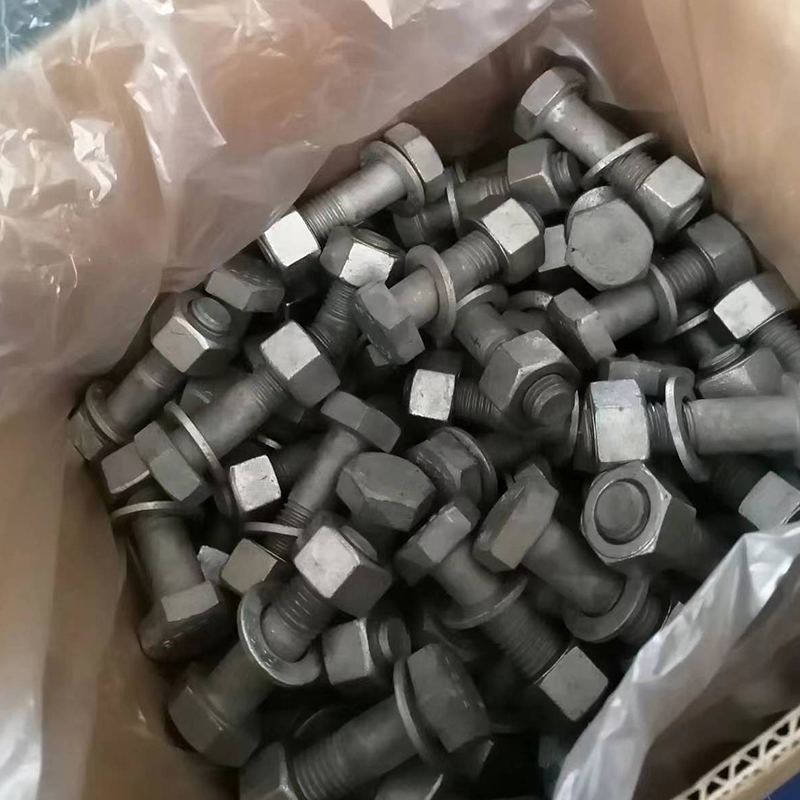 A325 Type 1 Heavy Hex Structural BoltsHigh-strength alloy steel heavy hex bolts for steel-to-steel connections, available with plain, zinc, or hot-dip galvanized finishes and matching nuts and washers.View Product →
Carriage, Timber, and Application-Specific Bolts
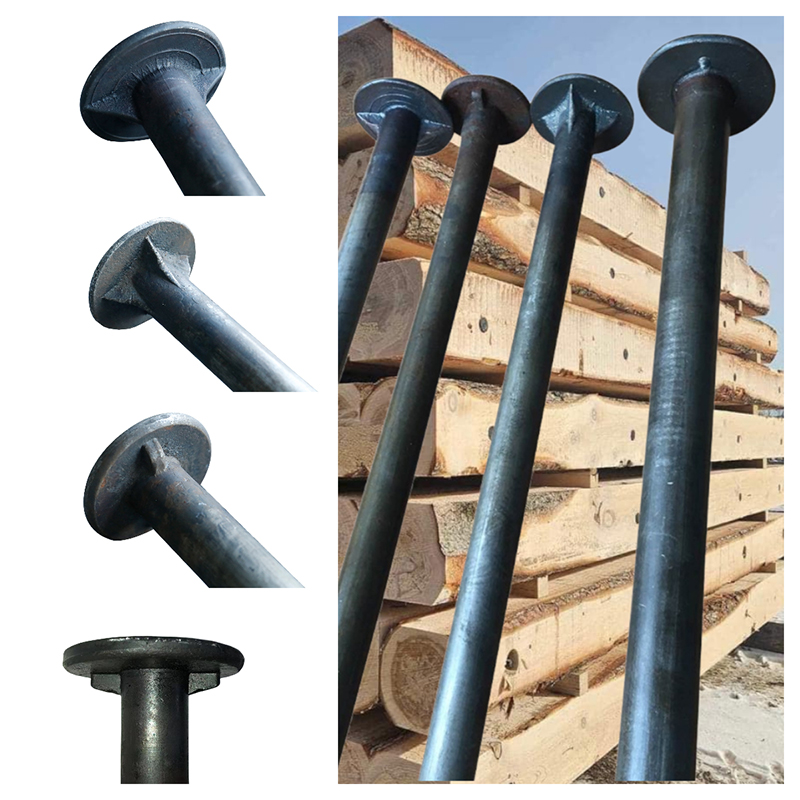
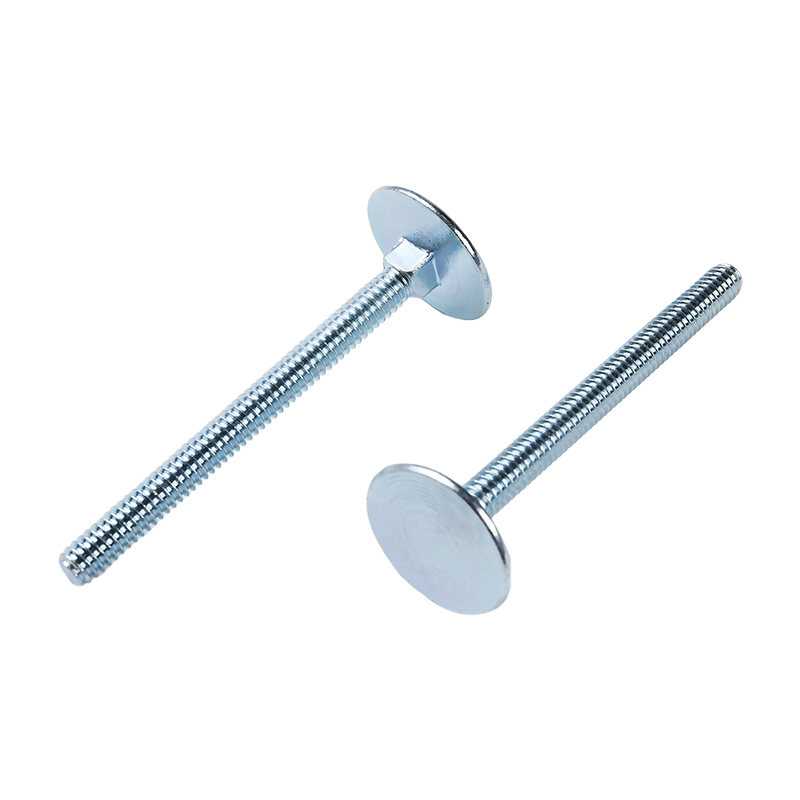
Our bolt catalogue also includes carriage bolts, timber bolts, elevator bolts, plow bolts, A394 hex tower bolts, and silo bolts with colorful plastic caps and sealing washers. These names reflect real installation contexts—wood connections, lifting equipment, agricultural implements, tower assemblies, and storage structures—but the name alone is not a specification. Confirm head geometry, neck type, thread length, material, and finish before ordering.
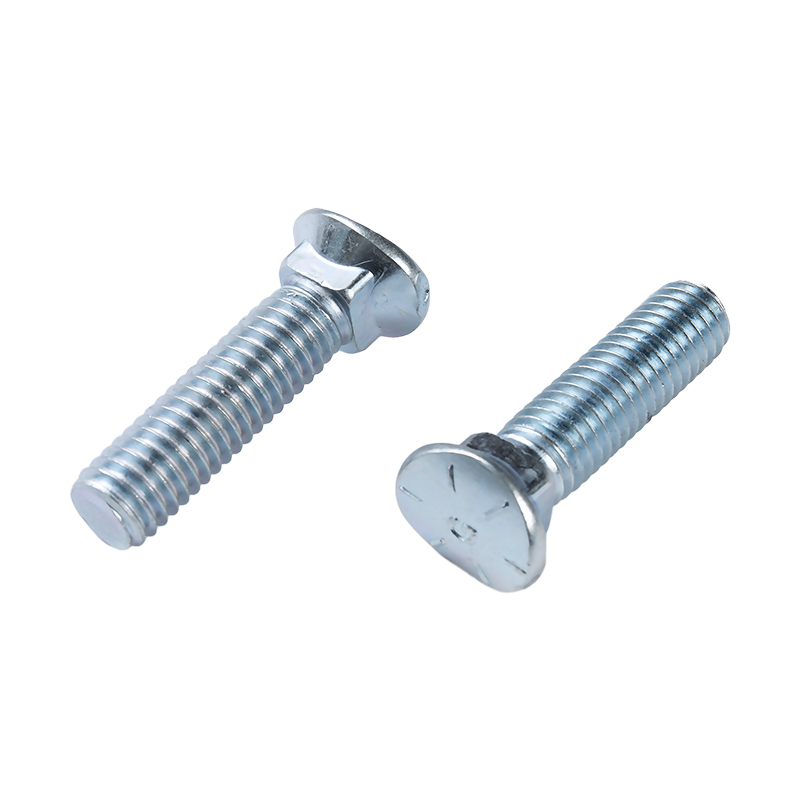
Carriage bolts are a familiar example: the square neck and smooth round head are central to how the bolt behaves in wood or metal, so substituting a standard hex bolt changes the installation. If your project uses this family, review the dimensions carefully rather than matching only by diameter and length.
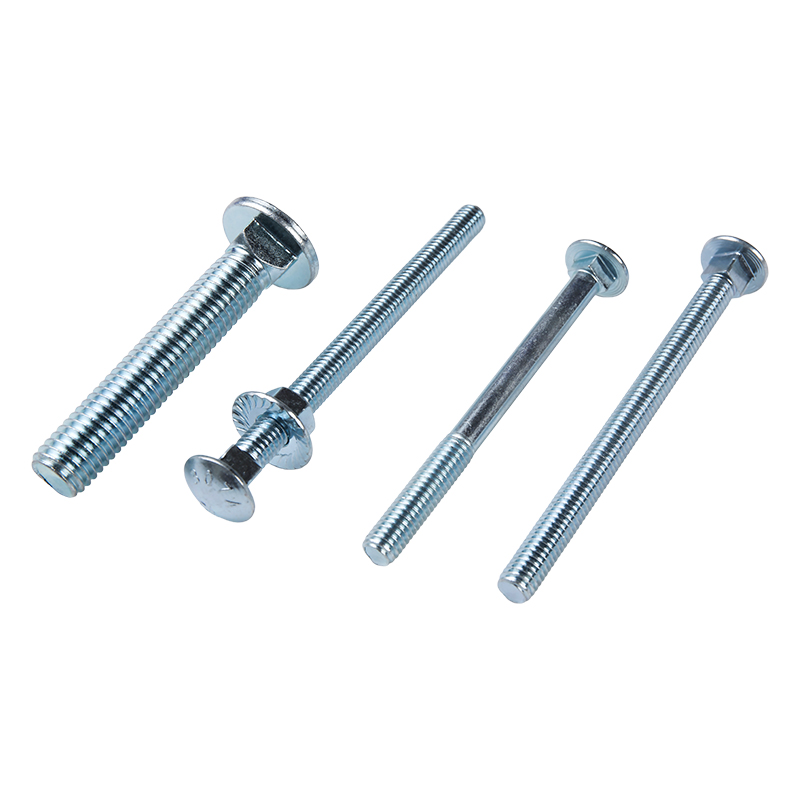 Round Head Square Neck Carriage BoltsCarbon or stainless steel carriage bolts with a square neck to resist turning in wood, made to ASME, DIN, and ISO standards.View Product →
What We Check Before a Carbon Steel Bolt Ships
Quality control should be visible in the paperwork as well as the product. JIAXING SINI FASTENER is ISO 9001 certified, and our testing equipment includes salt spray chambers, universal testing machines, hardness testers, video measuring systems, metallographic microscopes, tensile testers, and optical emission spectrometers. These tools support corrosion testing, mechanical testing, dimensional verification, and material analysis.
Depending on the order, a buyer may reasonably request material certificates, proof-load or tensile results, hardness data, coating thickness measurements, salt-spray reports, and dimensional inspection records. The key is to agree on the acceptance criteria before production, not after the cartons are packed. Clear inspection requirements protect both sides and make repeat orders far smoother.
Sourcing and Custom Runs: How to Make the RFQ Work
Our production facilities are located in Haiyan, Zhejiang, and Lianyungang, Jiangsu. We supply standard bolts and screws as well as engineered parts made to customer drawings. Most products can be produced in steel or stainless steel, and we work across inch and metric dimensions. For bolts, our current range covers diameters from 3/16 inch to 1 1/2 inch (5 mm to 52 mm) and lengths from 1/2 inch to 60 inches (10 mm to 1500 mm).
A productive RFQ usually includes the drawing or standard reference, annual or initial quantity, target coating, inspection requirements, and any packaging or marking instructions. If a detail is open, say so. It is much easier to resolve a thread pitch or coating question before raw material is cut than after a production run is complete. Custom work is a conversation, not a guessing game.
Carbon steel bolts reward careful specification. Start with the joint and the environment, choose a grade and coating that fit both, and put the acceptance details in writing. If you are comparing options or have a drawing that needs a second look, our team can review the requirement with you and suggest a practical path forward. Good fasteners are not just purchased by size; they are confirmed by detail.