English
 Español


Industry News
Home / News / Industry News / What Should You Know About A307 Grade A Timber Bolts and Their Applications?
What Should You Know About A307 Grade A Timber Bolts and Their Applications?
Nov 19, 2026
Content
- 1 What ASTM A307 Grade A Really Covers
- 2 Why Grade A Pairs So Well With Timber
- 3 Choosing the Head Style: Timber, Hex, or Carriage
- 4 Coatings Matter More Than Most Buyers Expect
- 5 Sizes, Threads, and the Hardware That Travels With Them
- 6 A Short Specification Checklist
- 7 How We Help With A307 Grade A Timber Bolts
Ask anyone who has spent a morning wrestling a twisted timber frame into alignment, and they will tell you the fastener is not the glamorous part of the job. It is the part that has to behave. A307 Grade A timber bolts sit in a practical middle ground: carbon steel, widely available, and forgiving enough for many general timber connections. The trick is knowing what the designation covers, what it does not, and how to specify the bolt that actually belongs in the joint.
What ASTM A307 Grade A Really Covers
ASTM A307 is a specification for carbon steel bolts, studs, and threaded rods used in general applications. Grade A is the general-purpose grade. It is commonly supplied with a minimum tensile strength of 60 ksi and in diameters from 1/4 inch up to 4 inches, with lengths made to suit the assembly. That size range is wider than most timber projects need, but it explains why A307 bolts turn up in everything from light framing to utility work.
Grade A is not a quenched-and-tempered high-strength structural bolt. It is also not intended for high-temperature or high-pressure service. If a connection depends on high preload or slip resistance in a steel-to-steel joint, Grade A is usually the wrong tool. In timber, the load path is different. The bolt bears against wood, the connection allows some deformation, and ductility matters more than a very high clamping force. That is where A307 Grade A timber bolts make sense.
Why Grade A Pairs So Well With Timber
Timber moves. It takes on moisture, dries out, shrinks across the grain, and creeps under long-term load. A connection that looks tight in the shop can be loose a season later. A307 Grade A bolts are low-carbon steel and are relatively ductile, so they can bend and yield before a sudden fracture. That does not make them magic. It simply gives the connection some warning and lets the wood share load over washers, side plates, and bearing areas.
Design still comes first. Bolt diameter, edge distance, end distance, spacing, grain direction, member thickness, and the number of bolts in a row all matter more than the head stamp. A307 Grade A timber bolts are a material choice, not a design method. Use them where the connection design calls for a general-purpose carbon steel bolt, and do not use ductility as a reason to skip the math.
Choosing the Head Style: Timber, Hex, or Carriage
Head style is where two bolts with the same A307 Grade A chemistry can feel completely different on site. The right choice depends on access, appearance, disassembly, and how the square neck or head will seat in the timber.
Timber bolts
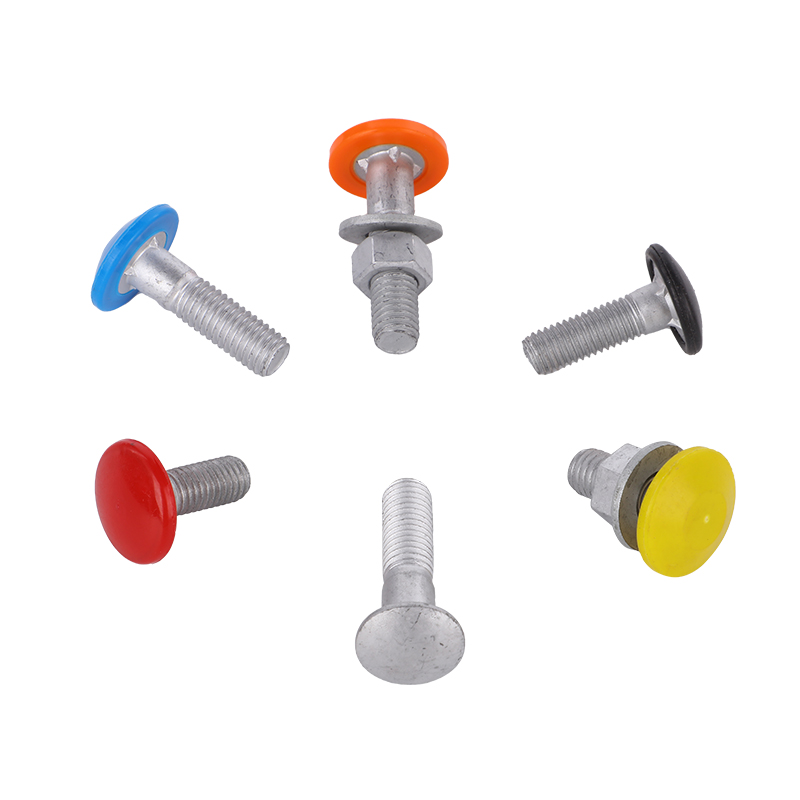
Timber bolts usually have a round or dome head and a square neck. The square neck pulls into the wood as the nut is tightened, which helps stop the bolt from spinning and gives the head a neat, low-profile finish. They are a natural fit for exposed timber, pole structures, retaining work, and heavy carpentry where a smooth bearing surface is welcome.
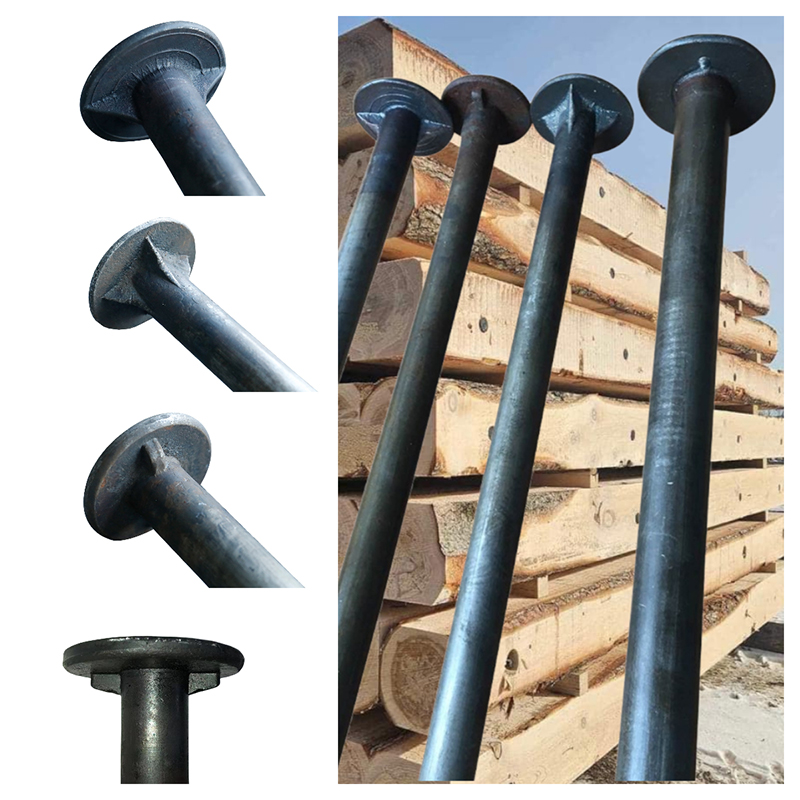 A307 Grade A Dome-Head Timber BoltsEconomy carbon steel timber bolts with rounded low-profile heads and anti-rotation fins, available plain or hot-dip galvanized for wood and marine assemblies.View Product →
Hex bolts
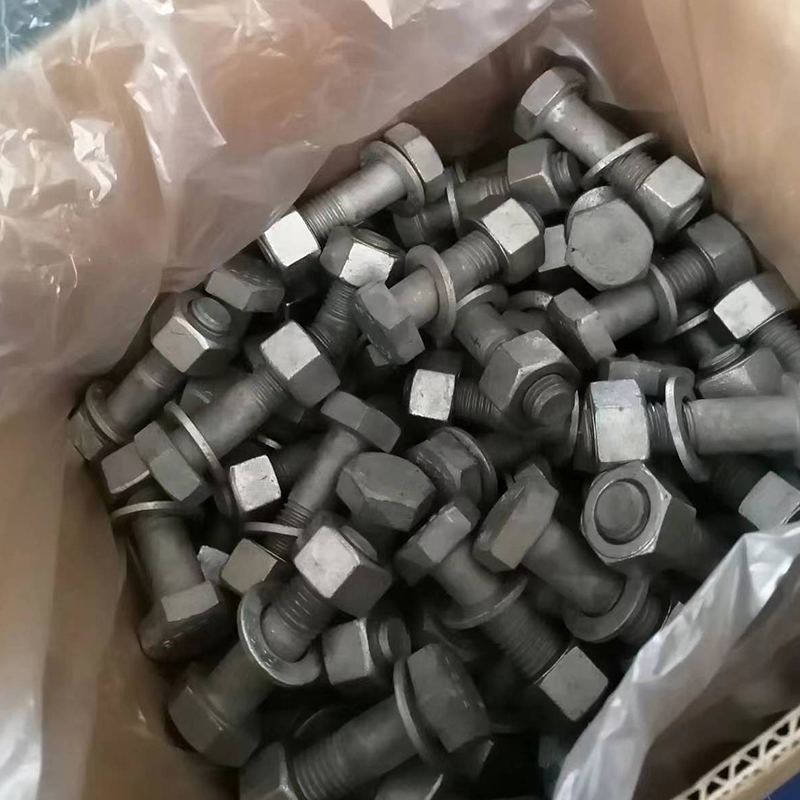
Hex heads are the practical choice when you need wrench access on both ends, a steel side plate, or a connection that may be tightened and inspected later. They are less pretty on exposed wood, but they are easy to grip and easy to verify. For many concealed or utility-focused timber assemblies, that trade-off is worth it.
Carriage bolts
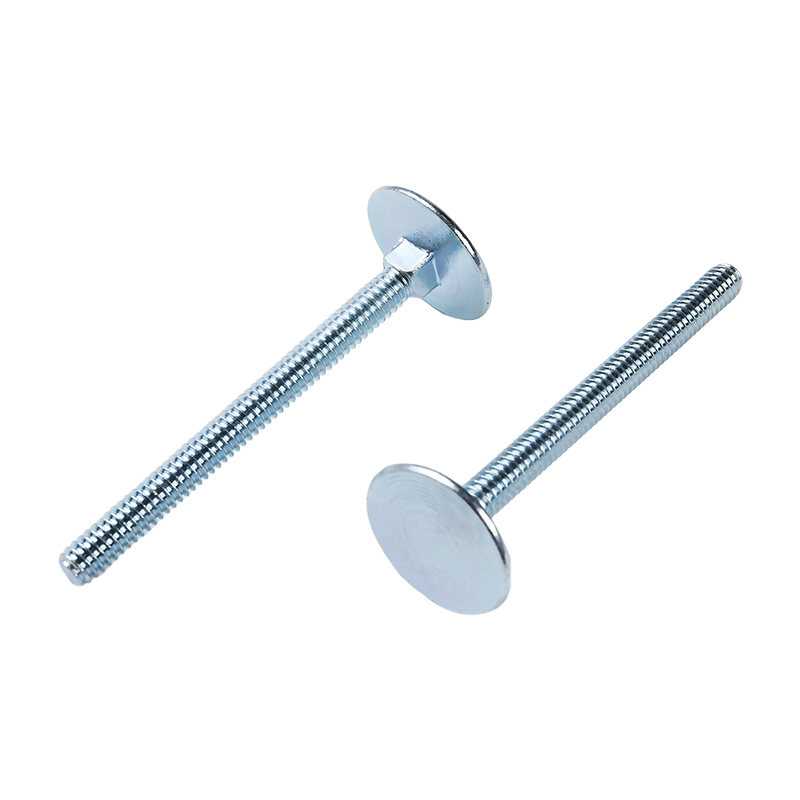
Carriage bolts combine a smooth round head with a square neck. They are common in timber, guardrails, and bolted assemblies where a snag-free surface matters and the bolt is not expected to be taken apart often. The square neck must seat properly in the wood; if the hole is too large or the wood is too hard, the bolt may spin during tightening.
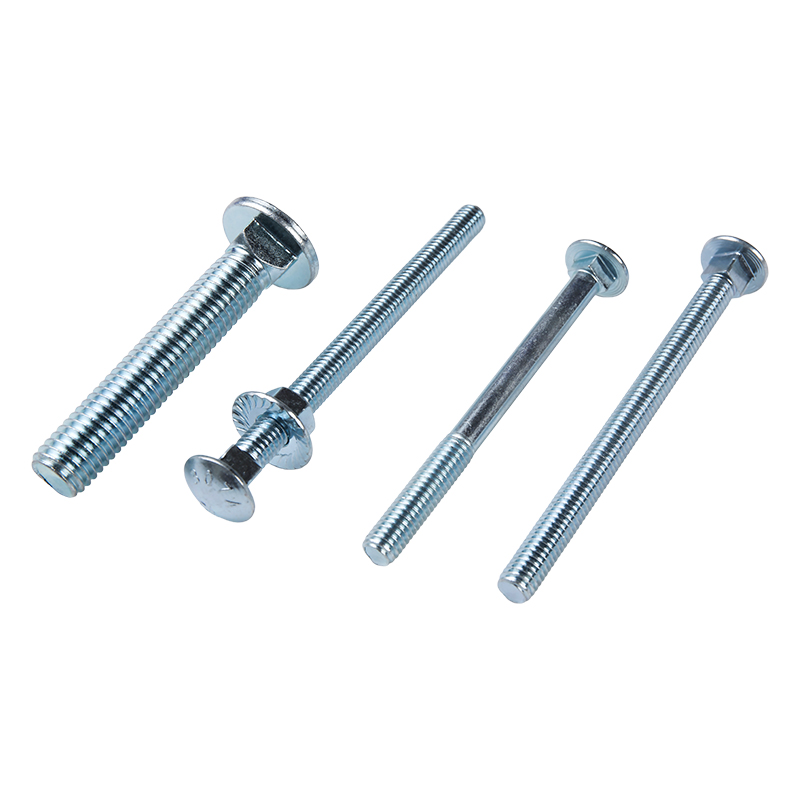 Round-Head Square-Neck Carriage Bolts for TimberDomed-head, square-neck carriage bolts in carbon or stainless steel, suited to fences, decks, gates, and timber framing with multiple grades and coatings.View Product →
| Head Style | Best Fit | Installation Note | Watch Out For |
|---|---|---|---|
| Timber bolt | Exposed timber, poles, heavy carpentry | Square neck pulls into wood to resist spinning | Hole size and wood hardness affect seating |
| Hex bolt | Steel side plates, accessible joints | Wrench access on both ends | Less tidy on exposed architectural timber |
| Carriage bolt | Smooth-face timber and guardrail work | Round head with square neck | Not ideal for frequent disassembly |
For a deeper look at timber bolt types, sizes, and material choices, our timber bolt guide walks through the selection points in more detail.
Coatings Matter More Than Most Buyers Expect
A307 Grade A timber bolts are carbon steel. Without a coating, they will rust, and in a damp or preservative-treated wood environment they can rust faster than the rest of the structure. For exposed timber, hot-dip galvanizing is often the default. The zinc layer is thick enough to provide meaningful outdoor protection, and it is specified for many structural fasteners. Because hot-dip galvanizing adds thickness, galvanized nuts are usually overtapped, and the bolt and nut should be supplied as a matched set.
Electroplated zinc is thinner and better suited to dry interior work. Mechanical zinc and zinc-flake coatings can be useful where a thinner, more controlled film is needed, but they are not a universal substitute for hot-dip galvanizing. In wet or treated lumber, specify galvanized or stainless, and keep dissimilar metals in mind. Do not mix galvanized bolts with bare steel washers in a wet joint and expect the coating to do all the work.
Coating also changes torque and fit. A coated bolt may feel different in the nut, and thread engagement should be checked with the actual finish. If the connection is important, ask for coating thickness or a test report rather than assuming that "galvanized" means the same thing from every source.
Sizes, Threads, and the Hardware That Travels With Them
A307 Grade A bolts run from 1/4 inch to 4 inches in diameter, with lengths to suit the assembly. Most timber work uses a narrower band. Diameters such as 1/2 inch, 5/8 inch, 3/4 inch, and 1 inch are common, with longer lengths for laminations, pole connections, and built-up members. Use the drawing, not habit.
Thread length matters. A partially threaded bolt keeps the unthreaded shank in the bearing area, which gives a cleaner bearing surface and reduces the chance of threads crushing wood. Full thread can be useful in some assemblies, but it is not automatically better. The square neck, hole diameter, washer type, and nut class all need to work together.
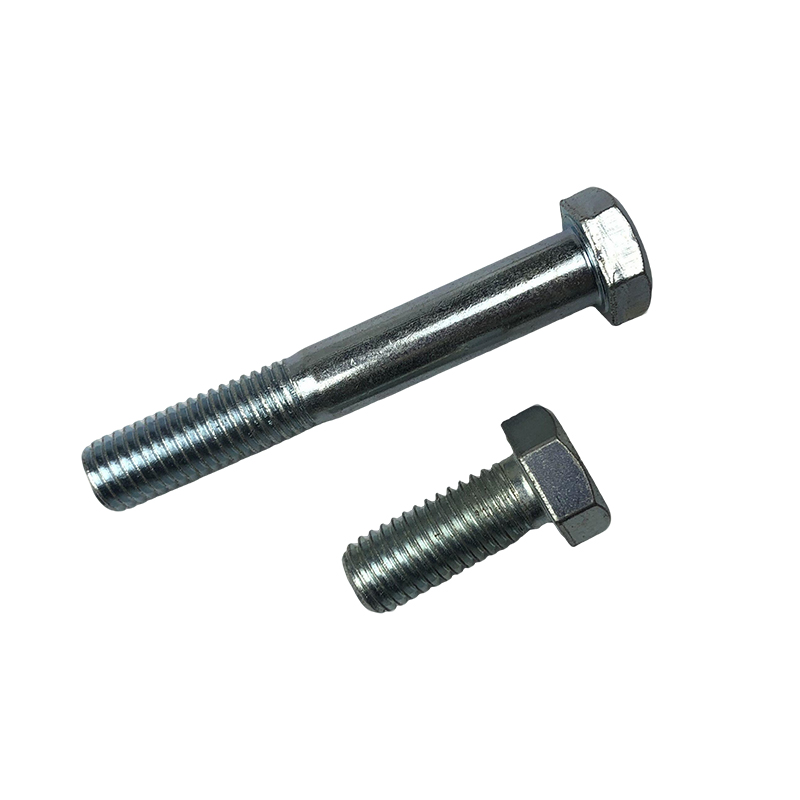 ASME B18.2.1 and DIN Carbon Steel Hex BoltsPlain carbon steel hex bolts in fully or partially threaded shanks, with multiple grades and coatings for machinery, structural frames, and general industrial connections.View Product →
Washers spread the load and protect the timber face. Square plate washers and malleable washers are common in timber connections, especially where the bolt head or nut could pull into the wood. Hex head A307 Grade A bolts are a straightforward match for steel side plates and joints that need wrench access. Whatever the head style, confirm that the nut, washer, and bolt finish are compatible and that the assembly can be tightened without damaging the timber.
A Short Specification Checklist
Before you ask for a quote, put these items on one line so the supplier and the fabricator are working from the same assumption.
- Diameter and length, including the required tolerance.
- Thread length and whether the shank must be unthreaded in the bearing area.
- Head style and square neck dimensions.
- Coating specification, coating thickness, and whether the nut is overtapped.
- Nut and washer type, including plate washer dimensions if used.
- Material grade and any requested test report.
- Service environment, especially moisture and treated lumber.
- Sample or first-article approval before full production.
How We Help With A307 Grade A Timber Bolts
At JIAXING SINI FASTENER, we have been working in fasteners since 2004, and timber connections are one of the areas where small details decide whether a shipment is useful or merely acceptable. We supply standard and custom bolts in steel and stainless steel, in inch and metric sizes, and we can produce to DIN and IFI standards as well as customer drawings. Our facilities in Haiyan, Zhejiang, and Lianyungang, Jiangsu, support customers across North America, South America, and Europe.
Our ISO 9001 quality system is backed by practical testing equipment, including salt spray, universal testing, hardness testing, video measurement, metallography, tensile testing, and optical emission spectrometry. If you are comparing A307 Grade A timber bolts for an upcoming project, send the drawing or the connection details. We can review head style, coating, thread length, and the hardware that travels with the bolt, and help you avoid a specification that looks fine on paper but fights you on site.